From Informal Markets to Global Runways: How Nairobi Built a Fashion Empire
Decades of evolution have transformed Kenya's capital from a hub of tailoring workshops into a recognised creative powerhouse shaping African design on the world stage.
Decades of evolution have transformed Kenya's capital from a hub of tailoring workshops into a recognised creative powerhouse shaping African design on the world stage.

Walk down River Road today and you'll find the same bustling energy that has defined Nairobi's fashion district for generations. Yet the landscape has transformed dramatically. What began as informal tailoring ateliers in the 1980s and 1990s—cramped workshops where master craftspeople trained apprentices in the art of bespoke suiting—has evolved into a sophisticated ecosystem of independent designers, digital-native brands, and internationally acclaimed ateliers.
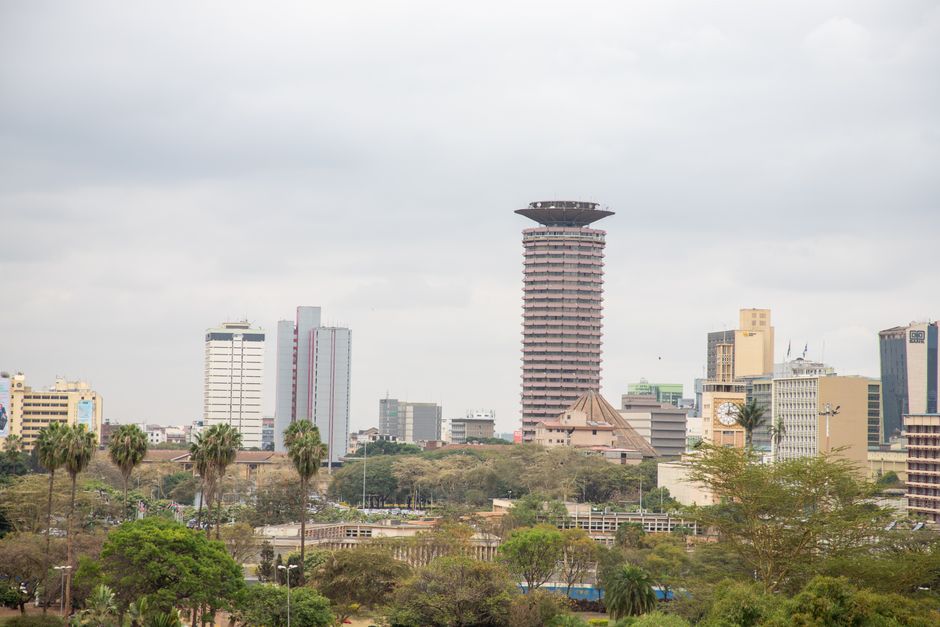
The creative industries now contribute an estimated 8-10 percent to Kenya's GDP, with fashion and textiles serving as significant drivers. Nairobi's Upper Hill, once purely corporate, now hosts design studios and showrooms. Kilimani has become an unexpected creative hub, with designers establishing independent boutiques in renovated colonial villas. Even the Karen neighbourhood, historically known for its residential character, now hosts seasonal fashion weeks and design collectives.
The turning point came around 2010, when a new generation of Nairobi-trained designers—many educated at institutions like the Kenya National School of the Arts and private design academies—began exporting collections internationally. Brands like Koye and Naliaka established themselves not as local curiosities but as serious players in African contemporary fashion. By 2018, Kenya Fashion Council's official membership had grown to over 300 registered designers, up from fewer than 50 a decade earlier.
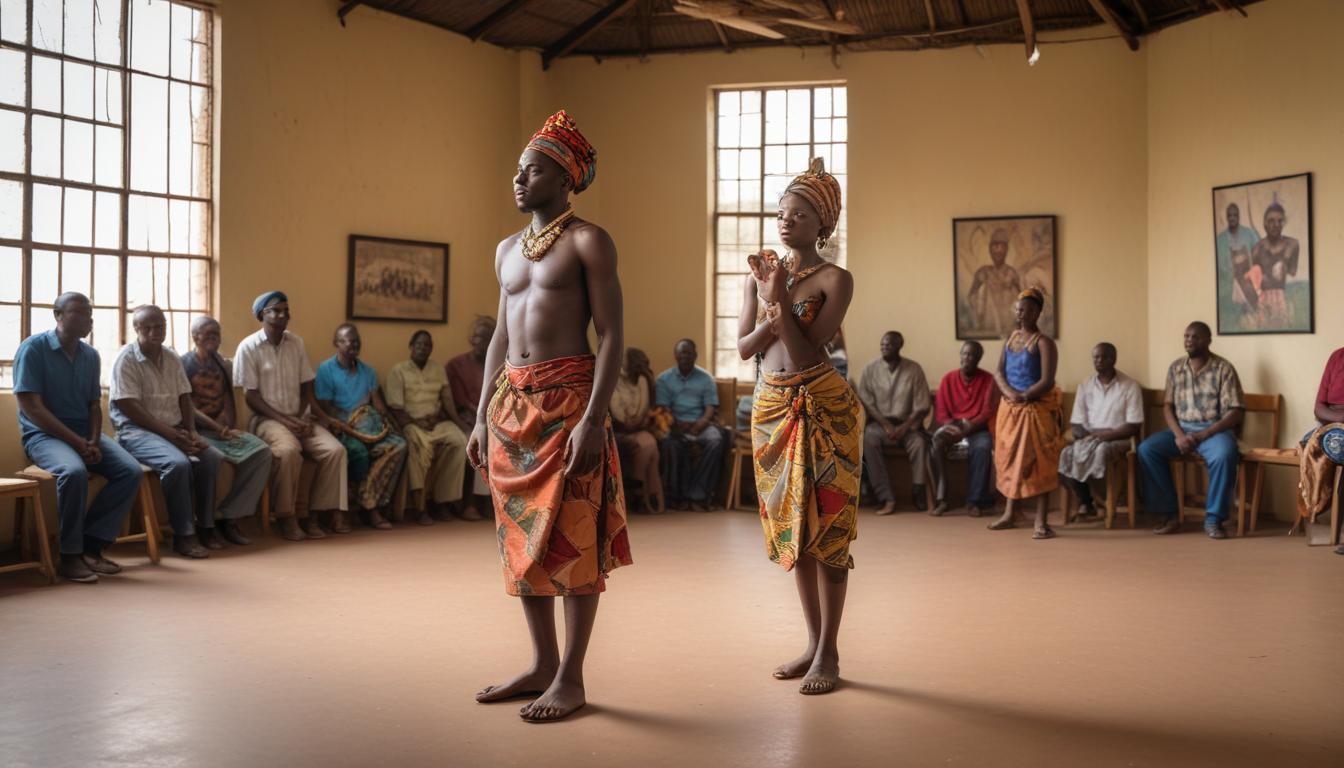
What distinguishes Nairobi's scene is its deep connection to heritage textiles and craftsmanship. The integration of traditional Kikoi, Maasai beadwork, and locally-woven fabrics into contemporary silhouettes became a defining characteristic. Designers recognised that authenticity—rooted in place and culture—could compete globally against mass-produced alternatives.
Infrastructure has played a crucial role. The establishment of design incubation spaces like Innov8 and WeHub provided affordable workspace and mentorship for emerging talents. East African Fashion Week, which launched in 2013, became a platform for showcasing collections to regional and international buyers. Meanwhile, online platforms and social media democratised access to markets that were previously gatekept by traditional retail.
Today, Nairobi fashion commands respect at Milan, Paris, and New York shows. The median price point for contemporary Nairobi design—typically between 15,000 to 50,000 shillings for ready-to-wear pieces—reflects quality and craftsmanship rather than luxury positioning alone.
Yet challenges remain. Access to quality textiles, inconsistent electricity supply in manufacturing spaces, and brain drain as talented designers seek opportunities abroad continue to test the industry's resilience. Still, the trajectory is undeniable: Nairobi has evolved from a production centre copying foreign trends into a creative laboratory generating them.
This article was compiled by AI from the sources linked above and screened before publishing. See our editorial standards.
How does this story make you feel?
Spread the word
About this article
Published by The Daily Nairobi
Daily brief
Free, in your inbox before 7am. Weekdays.
More in culture