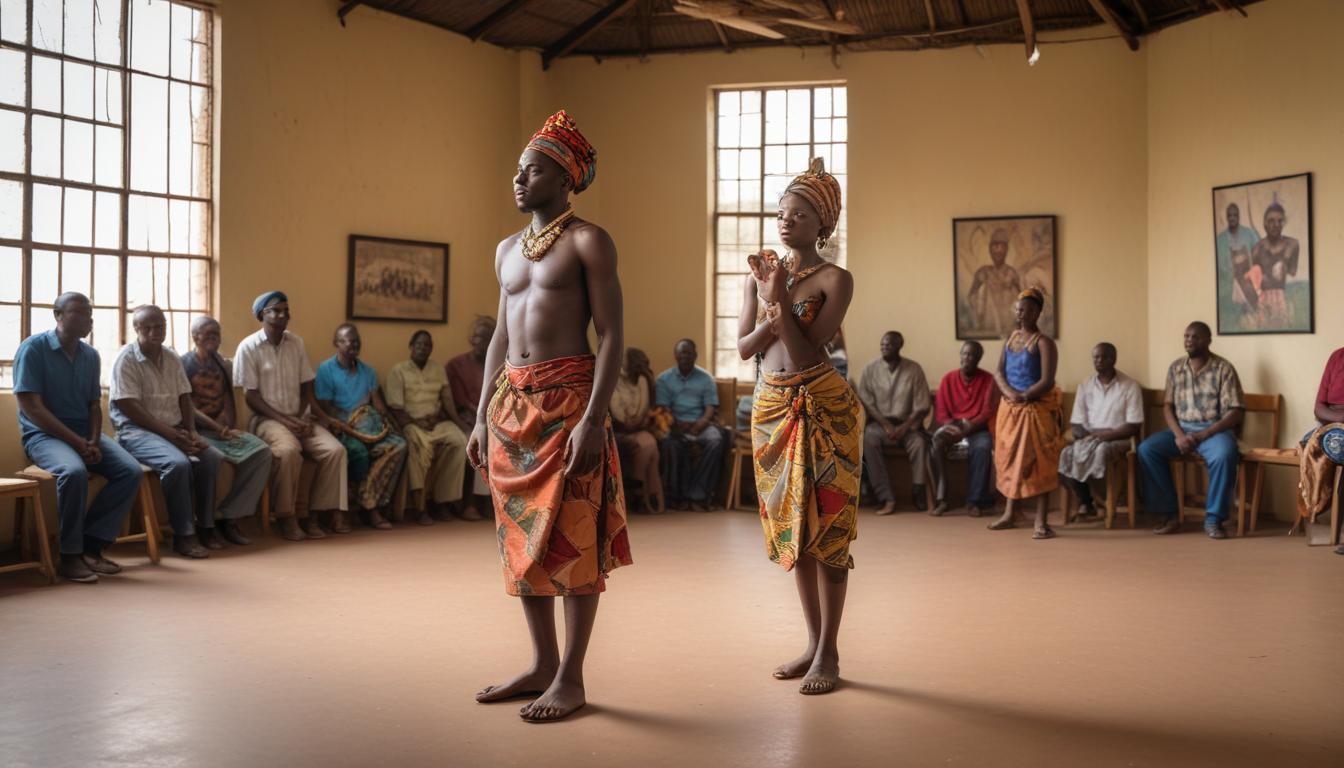
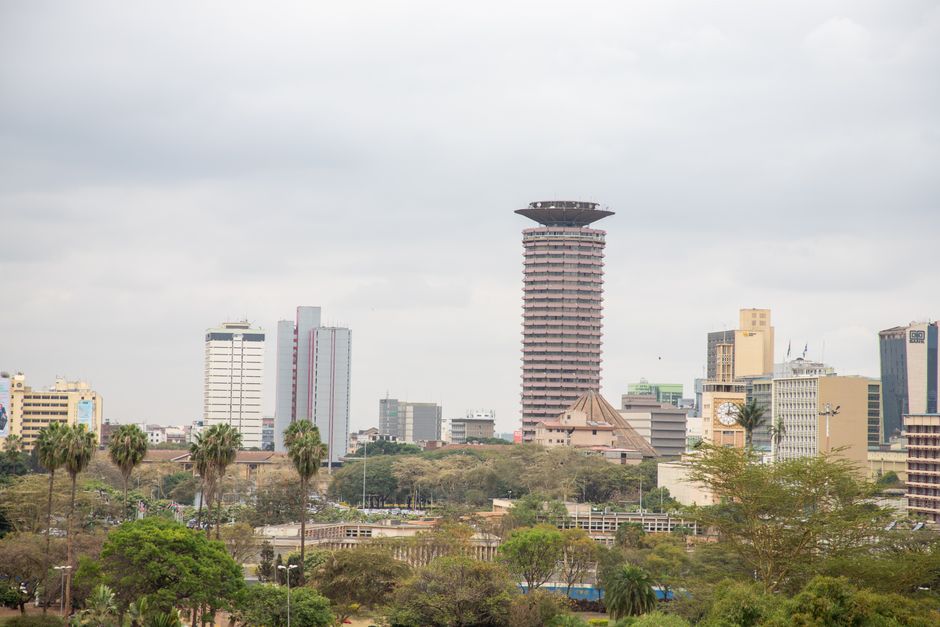
Walk down Kimathi Street on a Friday evening and you'll notice something shifting in Nairobi's cultural pulse. Where corporate boardrooms once dominated the skyline, independent theatre collectives are reclaiming spaces—converting warehouses in Industrial Area into intimate performance venues, turning rooftops in Westlands into open-air cinemas, and breathing new life into community centres across Mathare and Kibera.
This isn't merely aesthetic renewal. It represents a fundamental recalibration of who gets to create culture in Kenya's capital and who gets access to it. Over the past three years, organisations like Nairobi Performance Collective and independent film groups operating from Kenyatta Avenue have expanded theatrical programming from the traditionally gatekept venues—the National Theatre, Kenya National Museum auditorium—into decentralised networks that serve working-class neighbourhoods. Data from the Kenya Film Commission indicates that independent cinema screenings across Nairobi increased by 47 percent between 2023 and 2025, with average ticket prices dropping from 800 shillings to 300 shillings for community screenings.
The movement gained particular momentum following the 2024 creative economy report showing that performing arts contributed 2.3 billion shillings to Nairobi's GDP, yet remained largely inaccessible to 68 percent of the city's population. Young artists and cultural activists responded not with petitions, but with action. Collectives began staging guerrilla performances in Nairobi's informal settlements, organising subsidised film festivals in Eastleigh, and training emerging performers through free workshops in Kawangware and Korogocho.
What distinguishes this movement from earlier waves of cultural activism is its organisational architecture. Rather than hierarchical structures, these groups operate as horizontal collectives with rotating leadership. The Nairobi Theatre Lab, based near the Nairobi River rehabilitation zones, runs a 'pay-what-you-can' model that has attracted over 12,000 attendees since opening eighteen months ago. Similar initiatives along Ngong Road and in South C have created a visible counter-narrative to the commercialised cultural offerings of shopping mall multiplexes.
Artists participating describe a palpable shift in creative possibility. By removing financial barriers and relocating performances into lived communities, these organisations argue they're not simply expanding access—they're fundamentally redefining what Nairobi's theatre and film culture represents. The movement suggests that authentic cultural democracy isn't imposed from above, but built incrementally by communities insisting they belong on the stage and behind the camera.
As this network continues expanding into Runda, Buruburu, and Embakasi, questions loom about sustainability and institutional recognition. Yet the momentum appears irreversible: Nairobi's performing arts culture is no longer something consumed in designated venues. It's becoming something every neighbourhood claims as its own.
This article was compiled by AI from the sources linked above and screened before publishing. See our editorial standards.