Threading the Narrative: What Visitors Must Know About Nairobi's Cultural Heritage and Where to Experience It
From colonial relics to contemporary creativity, Nairobi's identity is layered—and these landmarks and neighbourhoods tell the story.
From colonial relics to contemporary creativity, Nairobi's identity is layered—and these landmarks and neighbourhoods tell the story.
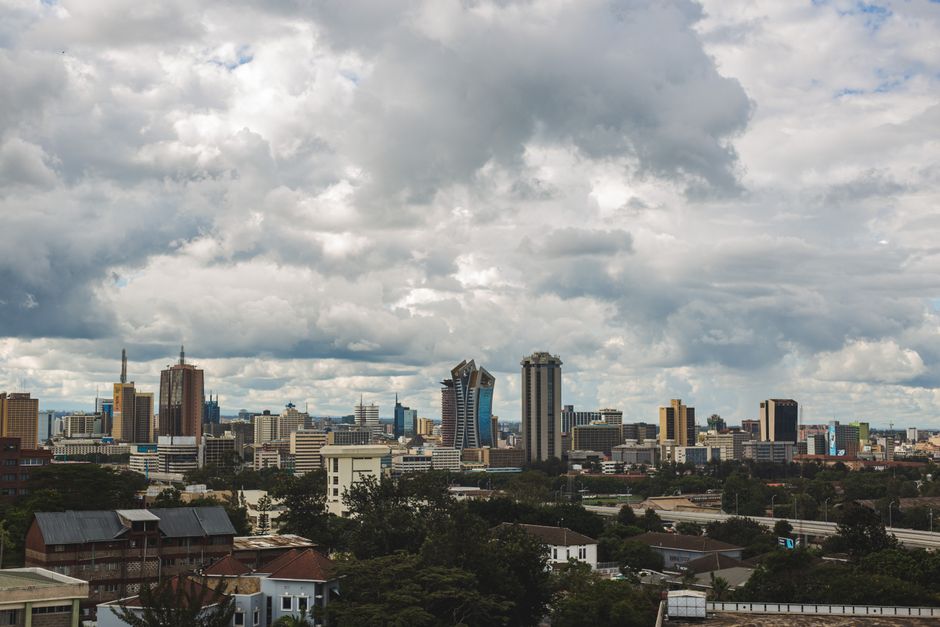
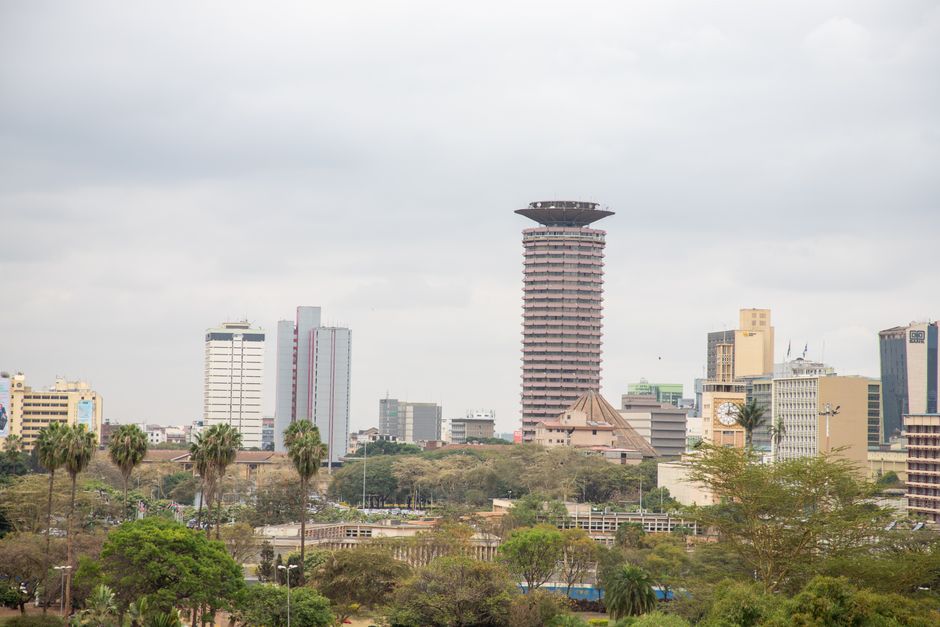
Nairobi's cultural landscape is a palimpsest. Walk through the city and you're moving through centuries of competing narratives: the colonial order, nationalist resistance, postcolonial experimentation, and the contemporary creative surge reshaping how the city sees itself. First-time visitors who miss this layering miss the point entirely.
Start with the physical anchors. The Karen Blixen Museum in the leafy suburb of Karen preserves the world of colonial privilege—the author's 1917 farmhouse offers a window into the racial hierarchies and romantic mythologies that shaped European imagination about East Africa. It's discomfiting but essential context. Nearby, the Giraffe Centre on Koitobos Road presents a different colonial inheritance: the effort to preserve endangered species within urban space. Entry runs around Ksh 1,500 for adults.
But Nairobi's real cultural identity emerges elsewhere. The Nairobi National Museum on Museum Hill houses the nation's most significant collection of Kenyan art, anthropology, and natural history. The contemporary gallery space—expanded significantly over the past decade—showcases living artists grappling with urbanisation, migration, and identity. This is where you see how Kenyans are interpreting their own story.
The neighbourhoods tell equally important stories. Eastleigh, once dismissed as a marginal commercial zone, has become a cultural powerhouse—Somali-Kenyan traders, designers, and restaurateurs have transformed it into what some call Africa's Mogadishu. The craftsmanship visible in textiles, metalwork, and fashion design reflects diaspora networks and East African trade routes that predate colonial borders entirely. Walk down First Avenue or explore the fabric markets around Twelfth Street.
For contemporary creative practice, head to Nairobi's emerging arts quarter along Ngong Road and into Kilimani. Independent galleries like Circle Art Agency and spaces managed by artist collectives host exhibitions, performances, and film screenings that reflect the city's digital-native creative class. Many venues charge minimal or no entry fees.
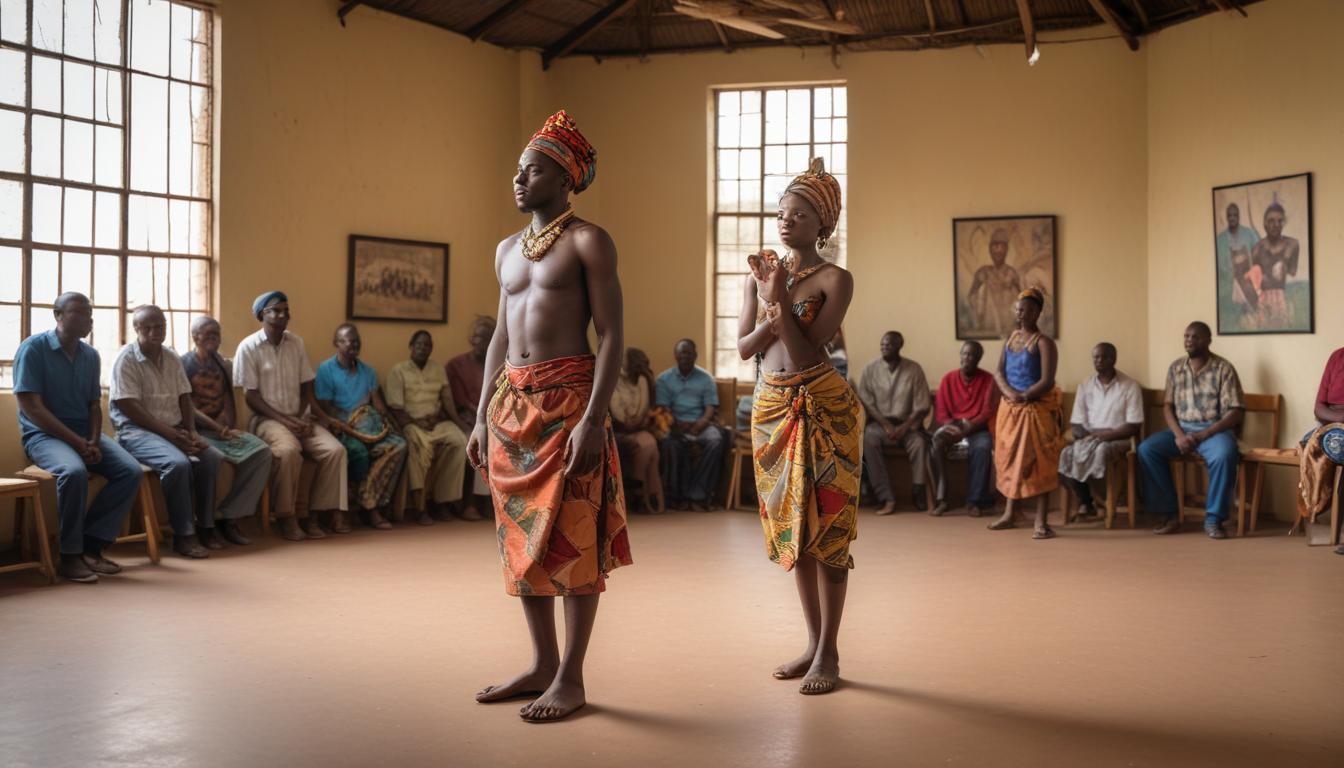
The National Theatre on Taifa Road remains symbolically important—it was here that Kenyan theatre challenged colonial narratives after independence. Though aging, it continues hosting performances that matter to how Nairobi understands itself culturally.
Finally, don't overlook what's invisible in guidebooks: street art. Venture into industrial areas like Kayole or Zimmerman and you'll find murals by collectives like Kenyan Walls that document social commentary, historical memory, and artistic ambition outside formal institutions.
Nairobi's heritage isn't a museum piece. It's contested, evolving, and actively being remade by the people living here. That's what makes it worth understanding.
This article was compiled by AI from the sources linked above and screened before publishing. See our editorial standards.
How does this story make you feel?
Spread the word
About this article
Published by The Daily Nairobi
Daily brief
Free, in your inbox before 7am. Weekdays.
More in culture