From Kibera Ateliers to Global Runways: How Nairobi Became East Africa's Fashion Capital
Tracing three decades of creativity, from informal tailoring workshops to a multi-billion-shilling industry that rivals continental hubs.
Tracing three decades of creativity, from informal tailoring workshops to a multi-billion-shilling industry that rivals continental hubs.
When the first Fashion Week East Africa took place in 2013 at the Safari Park Hotel, few predicted the seismic shift it would trigger in Nairobi's creative landscape. Today, the city hosts over 2,000 registered fashion designers and an estimated 15,000 informal creative practitioners, generating roughly Ksh 8.4 billion annually for the local economy—a trajectory few imagined when the scene was confined to cramped workshops along River Road and Kimathi Street.
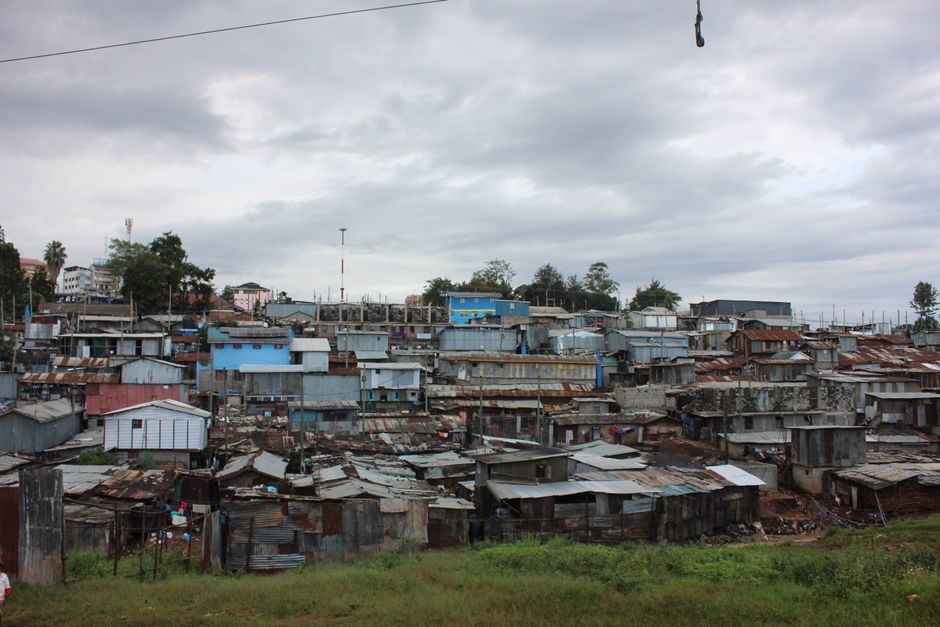
The roots run deeper than the glossy events of recent years. Through the 1990s and early 2000s, Nairobi's fashion identity was scattered across invisible networks. Tailors in Kibera and Mathare produced bespoke garments for affluent Westlands residents, while artisans in the Central Business District crafted traditional Maasai beadwork and kikoi fabric for tourists. There was talent, but no infrastructure. No platform. No visibility.
The real inflection point came around 2008-2010, when a generation of young designers—many trained abroad or in local institutions like Kenya National University of Science and Technology—began clustering around Nairobi's emerging creative quarters. Partnerships with established textile manufacturers in Kajiado and Nyeri gave designers access to production at scale. The Karen and Lavington neighborhoods became unofficial design districts, with showrooms and studios opening monthly.
Social media accelerated everything. By 2015, Nairobi designers were reaching international audiences directly through Instagram and emerging e-commerce platforms. Brands like those showcased at Design Week Kenya (established 2015) and through initiatives by the Kenya Fashion Council gained legitimacy and export contracts. The integration with tourism boards—particularly through partnerships with Kenya Tourism Board—positioned Nairobi designs as authentic African fashion statements, not derivatives.
Today's ecosystem includes formal institutions (the Kenya Institute of Fashion Design opened in 2017), collaborative spaces like Hub Karen and the Nairobi Design Quarter, and supply chains connecting designers with leather producers in Limuru and fabric mills across the region. Retail spaces in Westlands, along Ngong Road, and in the newly regenerated spaces around the Railway Museum have professionalized what was once entirely informal.
Yet challenges persist. Most independent designers operate on thin margins. Factory floor space costs have tripled since 2018. Competition from fast-fashion imports remains fierce. The skills pipeline in pattern-making and garment construction still lags demand.
Still, Nairobi's fashion evolution reflects something larger: a city learning to monetize its own creativity rather than simply consume it. From River Road ateliers to international collaboration, the journey reveals an industry coming into its own.
This article was compiled by AI from the sources linked above and screened before publishing. See our editorial standards.
How does this story make you feel?
Spread the word
About this article
Published by The Daily Nairobi
Daily brief
Free, in your inbox before 7am. Weekdays.
More in culture