Walk into The Alchemist on Band Street in Westlands on any Friday night, and you'll find a packed house of musicians, producers, and music lovers. But a decade ago, live music venues in Nairobi were sparse, struggling, and perpetually on the brink of collapse. The ecosystem that now draws international acts and domestic talent alike didn't emerge by accident—it was built by a determined cadre of promoters, venue owners, and sound engineers who believed Nairobi deserved better.
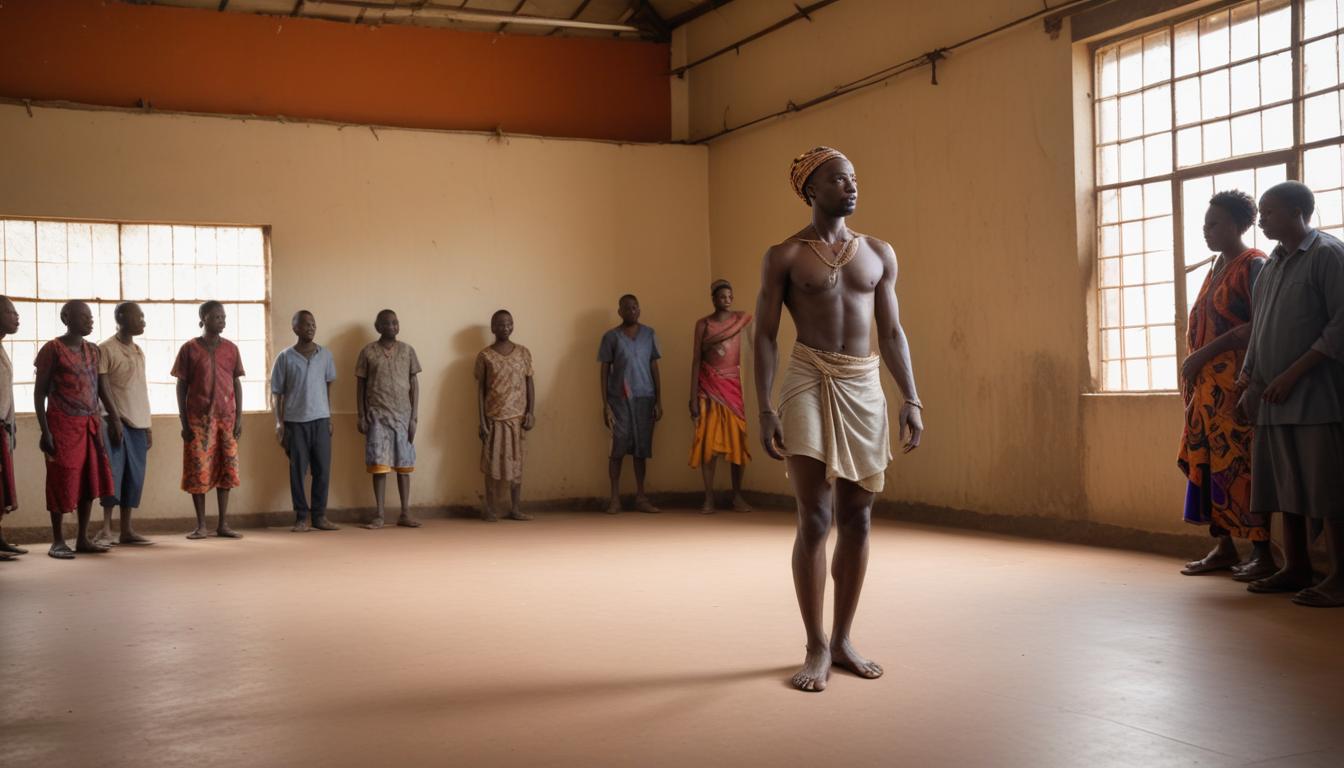
The early 2010s saw scattered attempts at live entertainment, mostly confined to hotel ballrooms and high-end clubs. Real indie venues were virtually non-existent. The turning point came when entrepreneurs began reimagining industrial spaces in neglected neighbourhoods. Spaces like Carnivore Restaurant's performance area in Langata drew experimental crowds, while smaller operators began converting warehouses in Jericho and Eastleigh into intimate music halls. These weren't glamorous beginnings—many venues operated with shoestring budgets, relying on word-of-mouth promotion and artist relationships rather than marketing budgets.
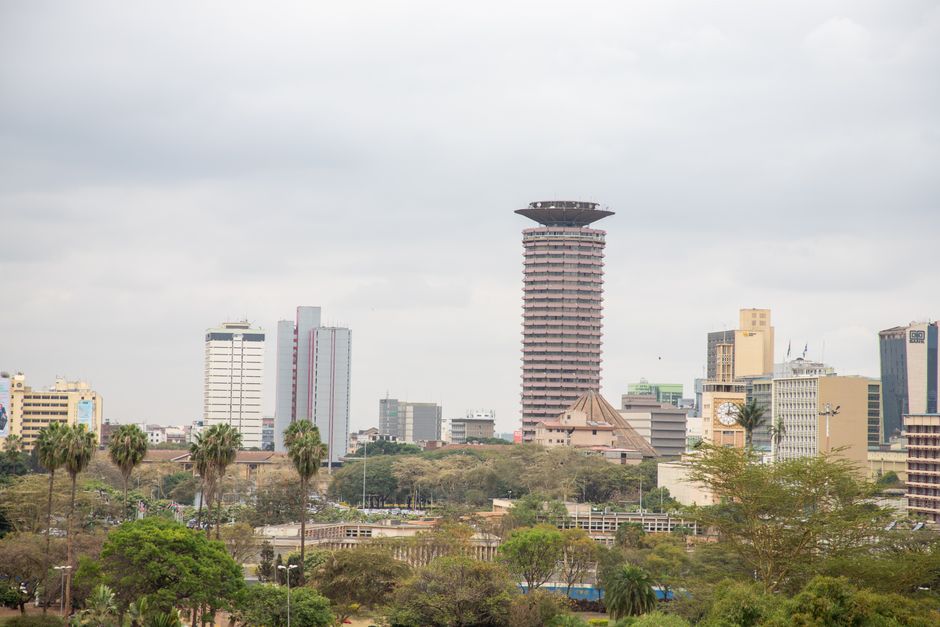
By 2020, Nairobi's live music infrastructure had matured considerably. Venues like Ndoto Museum in Nairobi's CBD, Safari Park Hotel in Nairobi West, and The Bomas Event Centre began hosting everything from Afrobeats and hip-hop to classical performances and jazz nights. Ticket prices evolved from informal door charges of 500-800 shillings to structured pricing between 1,500 and 5,000 shillings for established acts. Today's ecosystem supports a thriving network of sound engineers, lighting technicians, booking agents, and security personnel—a workforce that barely existed fifteen years ago.
The pandemic tested this fragile infrastructure severely. Many venues shuttered temporarily, but those that survived emerged more professional and creative. Virtual concerts and hybrid events became commonplace, introducing Nairobi's talent to regional and diaspora audiences unable to attend physical performances.
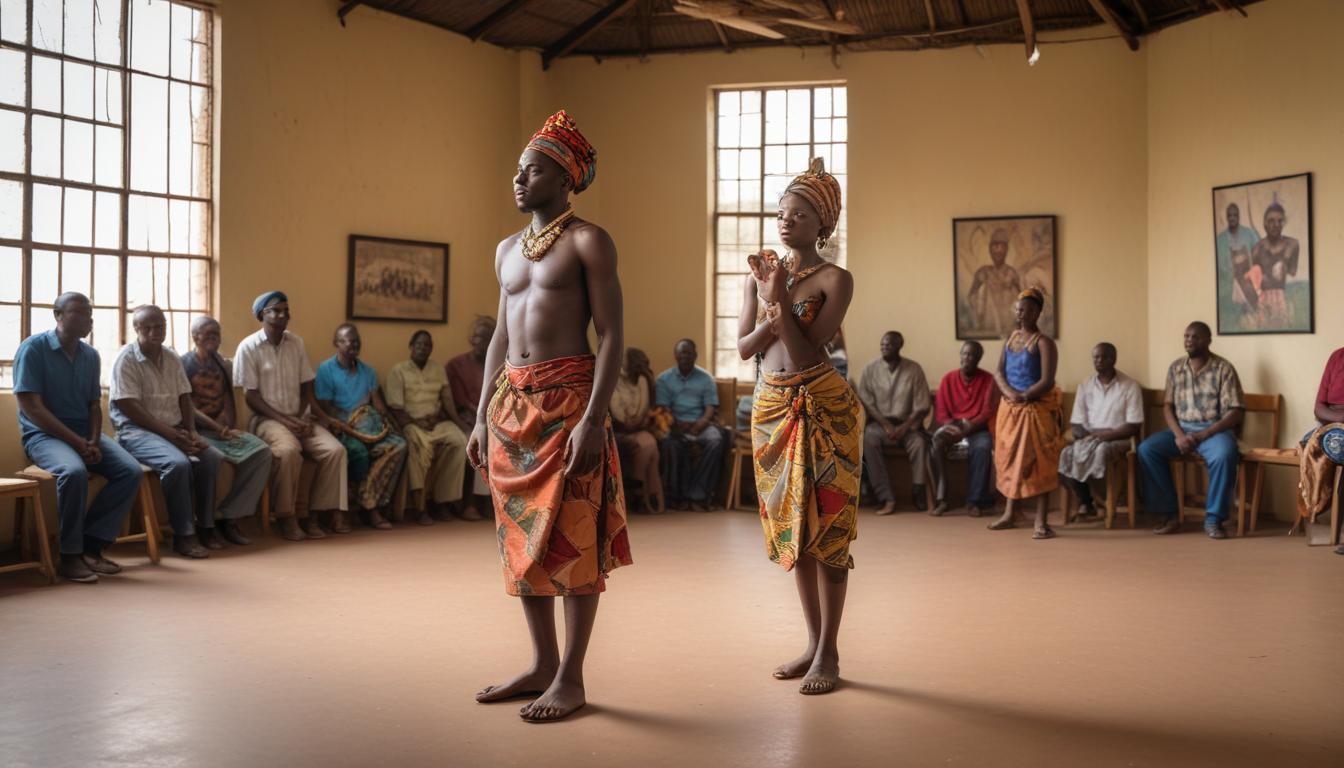
What's remarkable about Nairobi's live music scene today isn't its size, but its diversity and accessibility. A university student can catch experimental electronic music in Kilimani on Thursday, witness a gospel concert in Kasarani on Friday, and attend an international reggae act in Westlands on Saturday—all within reasonable distance and affordable price points. This wasn't inevitable. It required venue owners to absorb losses during slow periods, promoters to invest in unknown artists, and a community to show up consistently.
As international attention grows—with artists increasingly adding Nairobi stops to African tours—the people behind this scene remain largely unsung. Yet their vision transformed Nairobi from a city where live entertainment felt like a luxury into one where it's woven into the cultural fabric.
This article was compiled by AI from the sources linked above and screened before publishing. See our editorial standards.