Nairobi's cultural identity isn't confined to museum glass cases or dusty archives. Walk through the city's neighbourhoods, and you're walking through layers of history that shaped modern Kenya. For visitors serious about understanding this sprawling capital, knowing where to look—and what that landscape means—separates the curious tourist from the genuinely engaged traveller.
Start in the Karen Blixen Museum, located in the leafy suburb where the author of Out of Africa lived. The colonial-era farmhouse offers more than nostalgia; it's a lens through which to examine how European settlement narratives shaped Kenya's early 20th century. Admission costs around 1,200 KES ($9 USD). But don't stop there. Head to the Nairobi National Museum on Museum Hill, where the Kenya Heritage Gallery contextualises pre-colonial kingdoms, trade routes, and the diverse ethnic groups that defined the region centuries before colonialism arrived. This is essential groundwork.
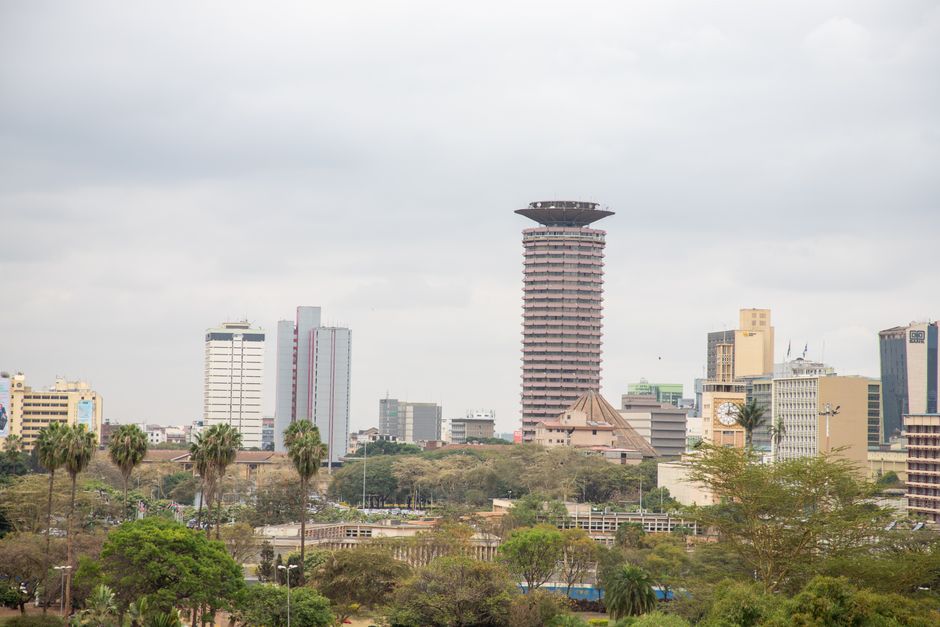
For post-independence heritage, the Central Business District demands attention. Parliament Road and the area around City Hall tell a different story—one of nation-building, constitutional moments, and the visual language of African modernity. The Parliament Buildings themselves reflect architectural choices made by a newly independent nation in 1963, choices worth pondering as you pass.
Nairobi's neighbourhoods each carry distinct cultural DNA. Westlands, initially developed as a European residential zone, now pulses with East African finance and cosmopolitanism. Eastleigh, historically a Somali-dominated commercial hub, represents the city's complex relationship with migration and belonging. Neither requires paid entry; walking these streets with contextual awareness costs nothing but rewards everything.
The Goethe-Institut on Loita Street and the British Council on Valley Road regularly host exhibitions and cultural programmes that engage with Kenya's evolving identity—worth checking their schedules. Meanwhile, grassroots initiatives like the Nairobi Design Week (typically held in September) showcase how younger Kenyans are reclaiming and reinterpreting cultural narratives.
A practical note: most heritage sites operate 9am–5pm. Combine visits with meals in genuine local restaurants rather than tourist-oriented establishments; you'll absorb culture through conversation. Budget roughly 2,000–3,000 KES daily for site entrance fees, though many cultural spaces and neighbourhoods are free to explore.
Understanding Nairobi's heritage means accepting its contradictions—colonial grandeur alongside liberation struggles, ethnic diversity within national identity, tradition negotiating with globalisation. That's what makes the city genuinely worth knowing.
This article was compiled by AI from the sources linked above and screened before publishing. See our editorial standards.