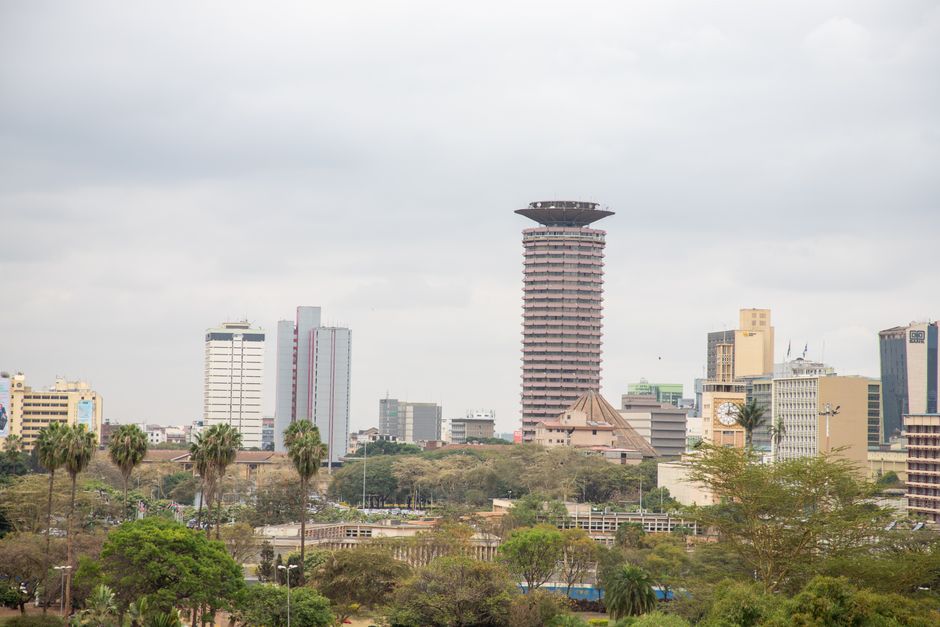
River Road pulses differently these days. Where decades of neglect had reduced Nairobi's original cultural artery to crumbling facades and abandoned theatres, a quiet but deliberate reclamation is underway—one that refuses to erase the past while boldly reshaping the present.
The transformation reflects deeper questions about what Nairobi's identity means in 2026. The street that once housed the legendary Nairobi Cinema, the Globe Theatre, and the Starlight Club—spaces where theatre companies, jazz musicians, and writers gathered—fell into disrepair through the 1990s and 2000s. By 2015, fewer than three functioning cultural venues remained within a five-block radius.
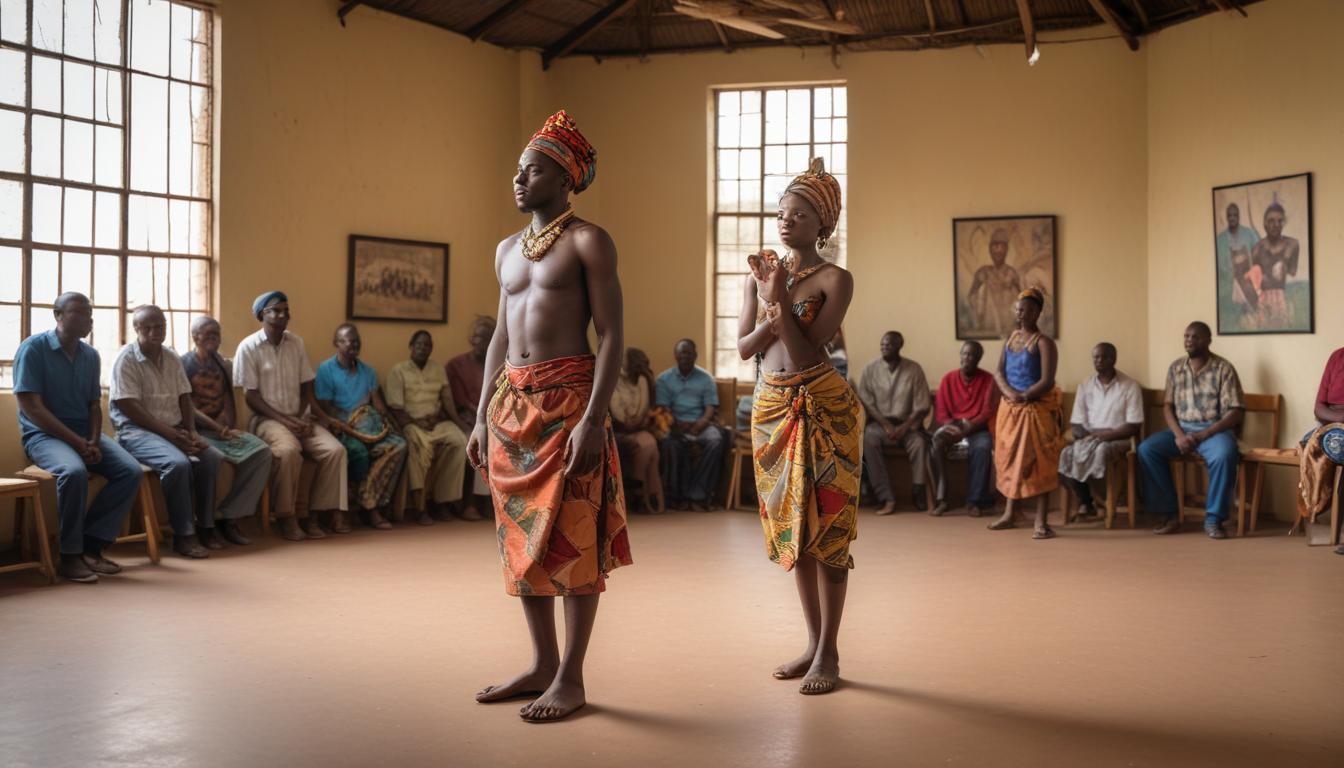
Yet over the past eighteen months, independent collectives have begun establishing artist residencies in reconverted colonial-era buildings between Muindi Mbingu Street and Banda Street. The Karibu Arts Collective, established in 2024, operates from a renovated 1920s warehouse, offering studio space at 3,500 shillings monthly—a deliberate counter to skyrocketing rents in Westlands and Kilimani that had pushed emerging artists beyond the city's reach. Theatre groups including Nairobi Players have returned to small venues on the upper floors of what were once department stores.
What distinguishes this revival from typical gentrification narratives is its custodianship model. The Nairobi Heritage Foundation, in partnership with the county government, has documented over 140 buildings of cultural significance along the corridor. Rather than demolition-led redevelopment, a phased restoration prioritises preserving architectural character while hosting contemporary practice.
Older residents remember River Road's sophistication—a destination where middle-class Nairobians gathered for cinema, music, and social congregation. That collective memory now anchors current efforts. Walking tours exploring theatrical history, led by volunteers who remember the Starlight's heyday, have attracted nearly 8,000 visitors since launching last year.
The economics remain precarious. Monthly foot traffic has increased 34 percent since 2024, yet sustainable funding remains elusive. Security concerns and infrastructure gaps persist. Yet the cultural workers, curators, and historians investing in River Road's future are not chasing nostalgia—they are excavating foundational truths about Nairobi's identity as a city that once centred artistic expression and communal gathering.
The question now is whether Nairobi can sustain what it has begun to rediscover: that culture is not luxury, but inheritance.
This article was compiled by AI from the sources linked above and screened before publishing. See our editorial standards.