From Garage Dreams to Westlands Stages: The Architects Behind Nairobi's Theatre Renaissance
A generation of performers and producers is rebuilding Kenya's live arts scene, one intimate venue at a time.
A generation of performers and producers is rebuilding Kenya's live arts scene, one intimate venue at a time.
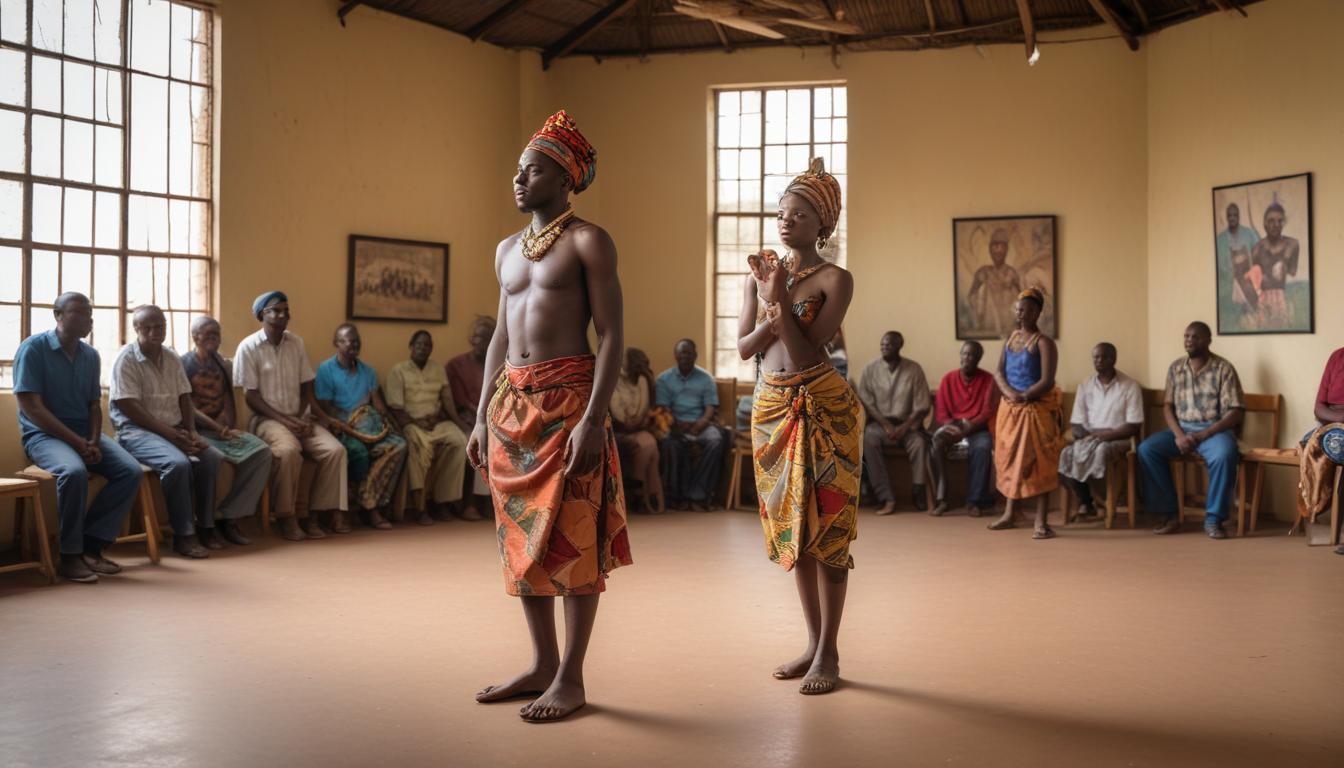
On a Thursday evening in the Westlands arts district, the intimate 120-seat Studio Iris fills with restless energy. On stage, a three-person ensemble performs an original Kenyan play about urban displacement. In the converted colonial-era building's narrow corridors, producers hustle between the box office and the tech booth, managing sound levels with equipment salvaged from defunct television studios. This is contemporary Nairobi theatre—scrappy, resourceful, and thriving against considerable odds.
The city's performing arts landscape has undergone seismic shifts over the past five years. Where international touring productions once dominated larger venues like the Kenya National Theatre on Harry Thuku Road, a new ecosystem of independent companies has emerged, creating work in spaces that range from the Theatre Lab in Kilimani to makeshift stages in Nairobi West. These aren't vanity projects; they're the result of deliberate curatorial vision from practitioners who returned to Kenya after training abroad, or who learned their craft entirely within local communities.
The economics are unforgiving. Ticket prices average between 800 and 1,500 shillings for independent productions—roughly a third of the cost of commercial entertainment—yet venues operate on margins that would alarm most small businesses. A mid-sized production might spend 3.2 million shillings on a four-week run while generating perhaps half that in ticket revenue. Survival depends on grants from international cultural bodies, corporate sponsorships, and an audience whose loyalty borders on devotional.
What distinguishes the current moment is the visibility of those who built it. Unlike previous generations who worked in relative obscurity, today's theatre makers maintain active social media presences, guest teach at universities, and participate visibly in Nairobi's creative conversations. The Kenya Association of Theatre and Film Practitioners, dormant for much of the 2010s, has re-established itself as a meaningful advocacy body, pushing back against regulatory barriers and fighting for better taxation treatment of cultural spaces.
These developments coincide with shifting demographics. Nairobi's young professional class—increasingly urban, educated, and seeking experiences beyond consumption—has proven receptive to live performance. Weekend matinees at smaller venues frequently sell out weeks in advance. International festivals, including collaborations with the British Council, have amplified local work beyond traditional circuits.
The infrastructure remains fragile. A single economic downturn or sudden policy shift could destabilize venues operating on thin margins. Yet what's unmistakable is the intentionality. These aren't accidental theatrical moments. They're the result of creators who recognized a gap in the city's cultural ecosystem and committed themselves to filling it—often at considerable personal cost. That alone marks a shift in how Nairobi understands itself as a creative city.
This article was compiled by AI from the sources linked above and screened before publishing. See our editorial standards.
How does this story make you feel?
Spread the word
About this article
Published by The Daily Nairobi
Daily brief
Free, in your inbox before 7am. Weekdays.
More in culture