Reclaiming Our Stories: Meet the Young Voices Reshaping Nairobi's Cultural Narrative
A new generation of historians, artists and documentarians are mining Nairobi's layered past to forge a distinctly Kenyan cultural identity for the digital age.
A new generation of historians, artists and documentarians are mining Nairobi's layered past to forge a distinctly Kenyan cultural identity for the digital age.
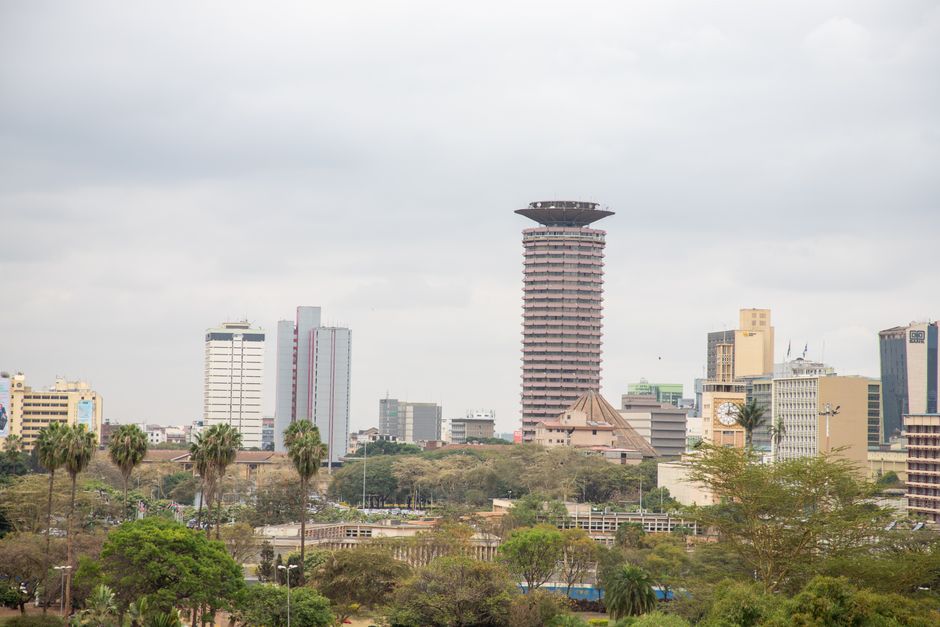
Walk into the cramped offices of the Heritage Collective on Mundi Mbingu Street, and you'll find something quietly revolutionary happening: a group of twenty-somethings are systematically digitising Nairobi's overlooked histories, one neighbourhood at a time.
The shift is unmistakable. Where previous generations relied on formal institutions to gatekeep cultural narratives, today's emerging custodians are taking matters into their own hands. From Eastleigh's Somali-Kenyan archives to the labour histories buried beneath Kamukunji's concrete, young scholars and creative practitioners are excavating stories that mainstream institutions have long ignored.
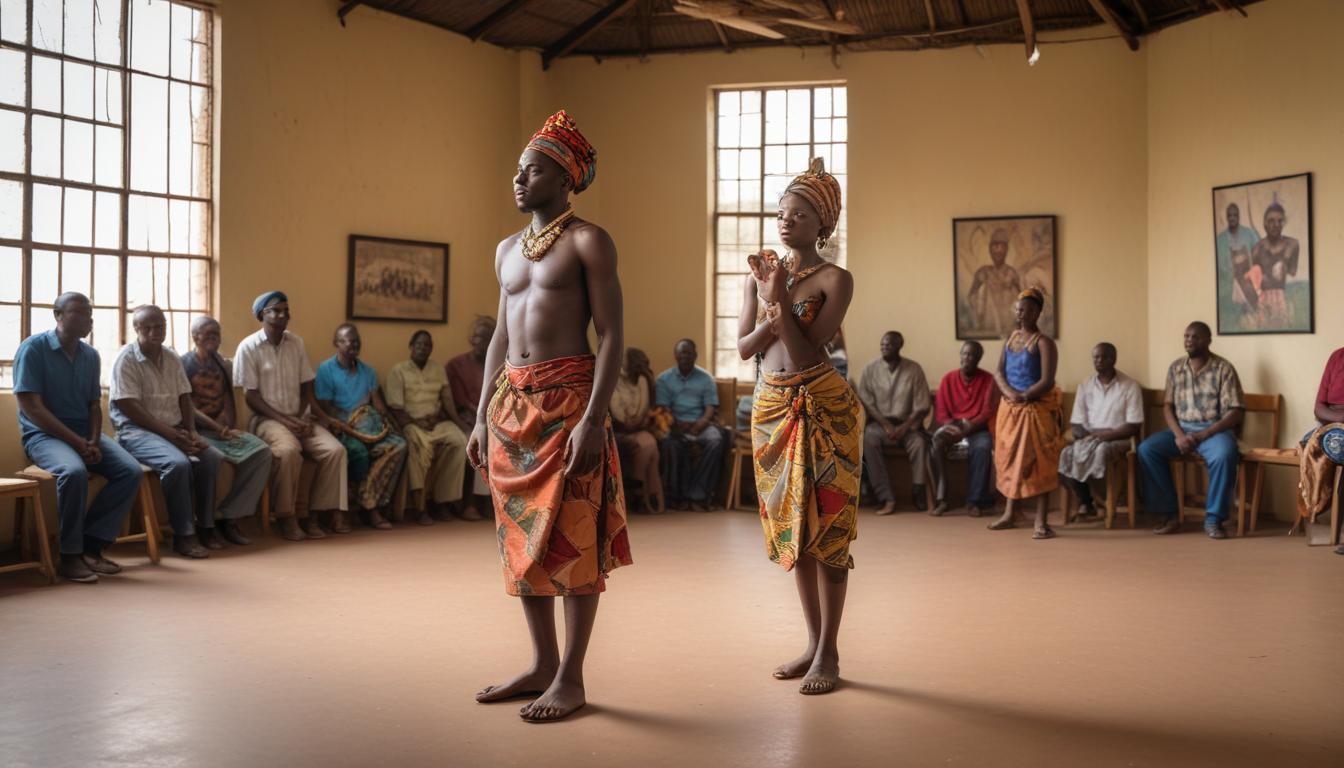
"We're not waiting for permission," says one emerging filmmaker working in Kibera, who has spent the last eighteen months documenting oral histories in the informal settlement. Her short documentary series, screened at smaller venues like the GoDown Arts Centre in Industrial Area, has attracted steady attention from both local and international film festivals. Production costs remain steep—a full documentary runs Ksh 800,000 to Ksh 2 million—but crowdfunding and grants from cultural bodies have made ambitious projects feasible.
The momentum extends beyond film. At the Nairobi National Museum and through independent initiatives, young curators are recasting exhibitions to centre African perspectives rather than colonial interpretations. A recent survey by the Kenya Institute of Curriculum Development found that 67% of under-30s felt disconnected from mainstream heritage narratives, spurring institutions to finally listen.
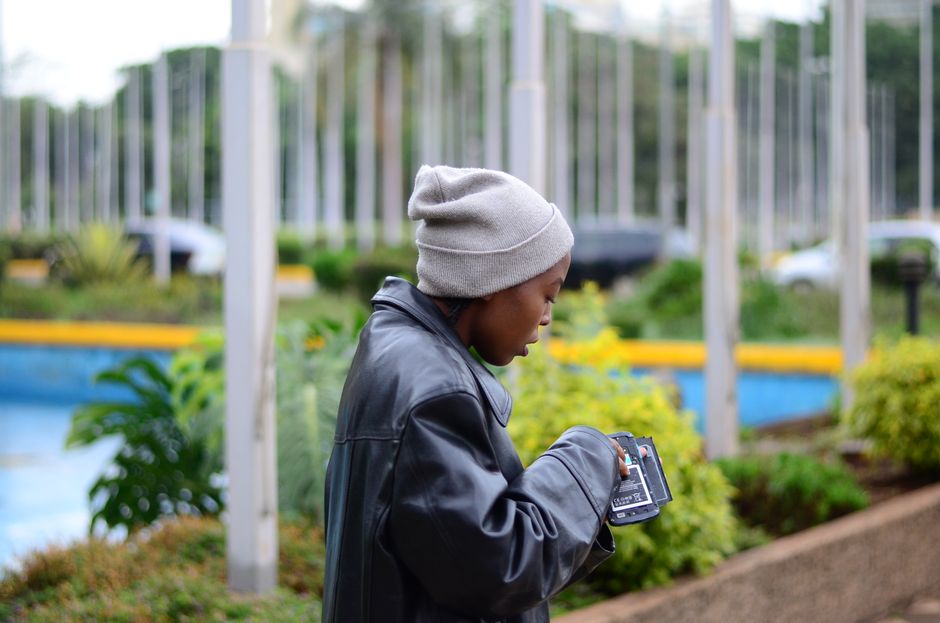
Social media has weaponised this generational shift. Instagram accounts dedicated to pre-colonial Nairobi, TikTok series exploring Swahili architecture, and podcasts examining the city's Indian railway heritage have each attracted hundreds of thousands of followers. These aren't academic exercises—they're intimate, urgent reclamations of identity in a globalised world.
Perhaps most tellingly, these voices are commercially viable. Publishing houses are finally acquiring work from young Kenyan historians. Theater productions exploring post-independence disillusionment regularly sell out venues in Westlands and along River Road. The market, it turns out, was always there.
What distinguishes this wave isn't just their technical fluency or entrepreneurial instinct. It's their refusal to separate "high" culture from street culture, academic rigour from artistic expression. They're treating Nairobi itself—its sprawl, its contradictions, its layered identities—as the primary text worth understanding.
For a city often reduced to stereotypes in international media, these emerging voices offer something more dangerous: complexity, and the insistence that Nairobians themselves are the ultimate authorities on what Nairobi means.
This article was compiled by AI from the sources linked above and screened before publishing. See our editorial standards.
How does this story make you feel?
Spread the word
About this article
Published by The Daily Nairobi
Daily brief
Free, in your inbox before 7am. Weekdays.
More in culture