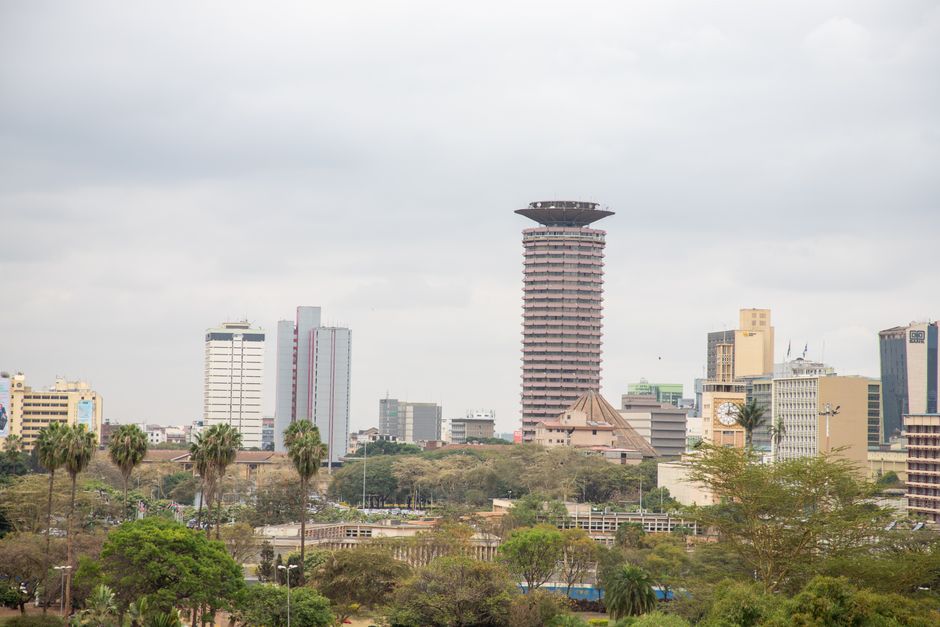
Walk through Nairobi's cultural calendar these days and you'll find something that wasn't true five years ago: the city no longer borrows its identity from elsewhere. Instead, it's writing its own script—loudly, unapologetically, and increasingly, on a global stage.
The transformation is visible across the city's neighbourhoods. In Westlands, the tech-forward Nairobi Design Week—now in its eighth iteration—has grown from a niche gathering to a 10-day event drawing creative professionals from across East Africa. Meanwhile, in the gritty creative hubs of Industrial Area, street art collectives have turned the annual Nairobi Street Festival into a platform for visual artists who've refused to wait for gallery validation. Last year's edition saw over 40,000 visitors engaging with work that felt unmistakably Nairobi: edgy, politically conscious, and rooted in the city's everyday texture.
The numbers tell a story of maturation. According to the Nairobi City Tourism Board, cultural and creative events contributed approximately 8.2 billion shillings to the local economy in 2025—nearly double the 2021 figure. That's not accidental. It reflects deliberate curation by organisations like the Kenya National Theatre and independent venues like The Nairobi Series in Kilimani, which have transformed how the city packages its cultural output.
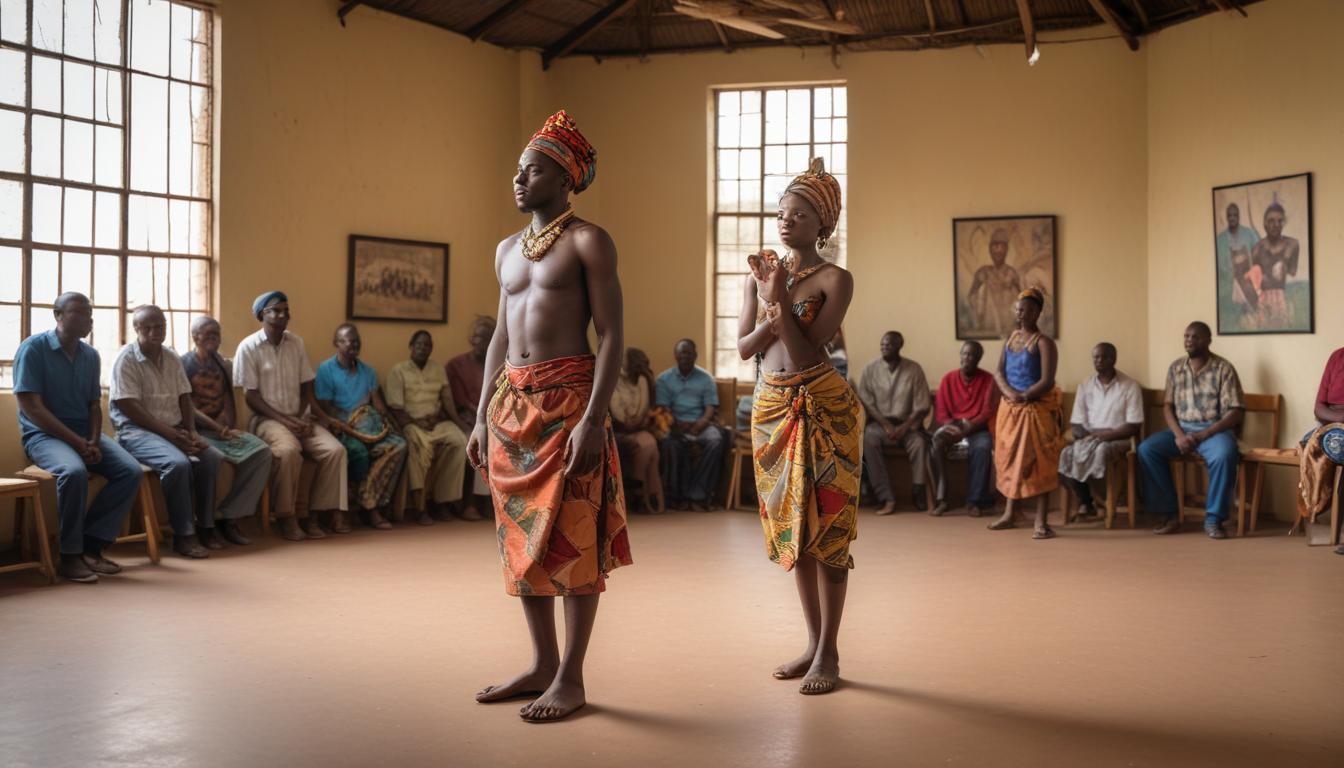
But what's truly defining Nairobi's creative identity isn't just scale—it's authenticity. The Blankets and Wine series, which migrated here from Kampala years ago, has evolved into something distinctly Kenyan, featuring emerging musicians who blend Afrobeats with traditional instrumentation. Sarakasi Trust's annual festival in Karen celebrates circus arts and physical theatre with a distinctly African lens. Even food festivals—from the informal Nairobi Food Festival in the CBD to the high-end Nairobi Restaurant Week—have become expressions of a city asserting its culinary narrative.
What's changed fundamentally is the audience. Ten years ago, many of these events struggled to fill seats. Today, young Nairobi residents—particularly those aged 18-35—see participation not as leisure but as identity formation. They're not consuming culture; they're co-creating it. The rise of independent event spaces in Eastleigh, Makadara, and even Kibera demonstrates that cultural production no longer requires downtown real estate or international sponsorship.
As the city hosts increasingly ambitious events—from international film festivals to digital art biennales—a pattern emerges. Nairobi's cultural identity isn't defined by what it imports anymore. It's defined by what it generates, what it refuses to apologise for, and what it teaches the world about African creativity in 2026.
This article was compiled by AI from the sources linked above and screened before publishing. See our editorial standards.