When international travellers arrive in Nairobi, many head straight for the airport transfers to game reserves. But the capital itself is a living museum of East African history, one that reveals far more about Kenya's identity than any curated safari lodge ever could.
Start in the Old Town, where River Road and Tom Mboya Street intersect beneath colonial-era buildings that once housed the administrative machinery of British rule. The architecture here—cast-iron verandas, ornate wooden doors, weathered plaster—speaks to Nairobi's 1899 founding as a railway depot. The City Market, operational since 1930, remains a sensory assault of colour and commerce, where visitors can purchase everything from fresh githeri to handwoven baskets at prices that haven't inflated far beyond 500 Kenyan shillings.
For cultural context, the Karen Blixen Museum in the suburb of the same name offers intimate insight into colonial life and Kenya's literary heritage. But the truly contemporary pulse beats in Westlands and the thriving gallery quarter around Ngong Road. The Nairobi National Museum—recently upgraded with expanded exhibition spaces—anchors the city's institutional memory, housing everything from Swahili artefacts to contemporary installations. Entry costs 1,200 KES for foreign visitors.
What distinguishes Nairobi's heritage narrative is how it resists simplification. The Nairobi Heritage Society, founded in 1988, actively campaigns to preserve structures threatened by rapid urban development. Walking the streets of Kilimani, you'll spot carefully maintained Art Deco townhouses sandwiched between modern office blocks—a physical metaphor for how the city negotiates its past and future.
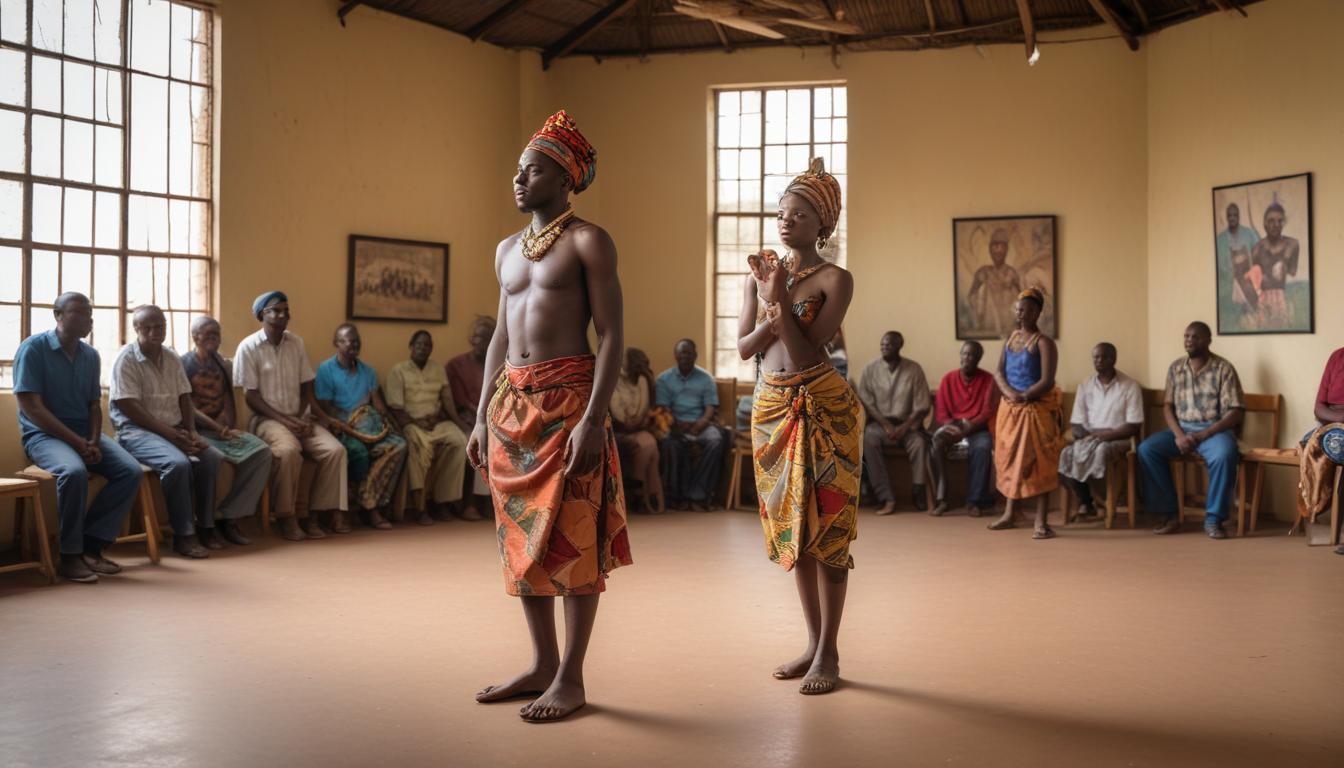
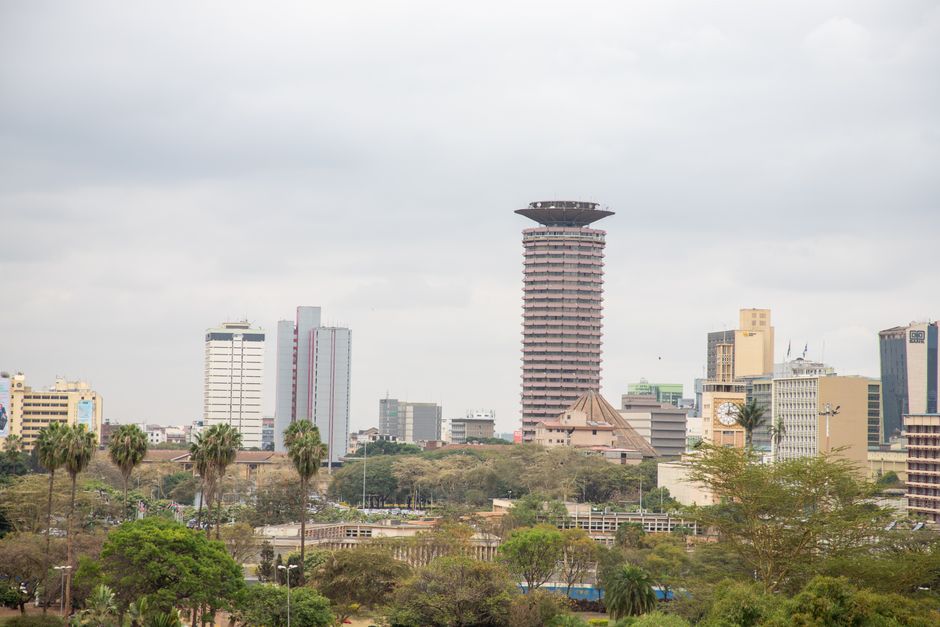
The Maasai and Kikuyu communities that predate colonial settlement maintain cultural presence throughout Nairobi. The Nairobi National Park, established in 1946, sits just kilometres from downtown, symbolising how wildlife conservation shaped post-independence identity. Over 100 species of mammals roam within sight of the city skyline.
Street art and murals in Eastleigh, Mathare, and along the Ngong Road corridor represent Nairobi's contemporary cultural voice—young artists reclaiming public space to tell stories of identity, politics, and daily life. This isn't heritage as museum piece; it's heritage as active conversation.
Visitors serious about understanding Nairobi should dedicate at least three days to the city itself. Hire a knowledgeable local guide through established cultural tourism operators; expect to pay 4,000-6,000 KES daily. Skip the rush. The city reveals itself to those patient enough to walk, listen, and sit with complexity.
This article was compiled by AI from the sources linked above and screened before publishing. See our editorial standards.