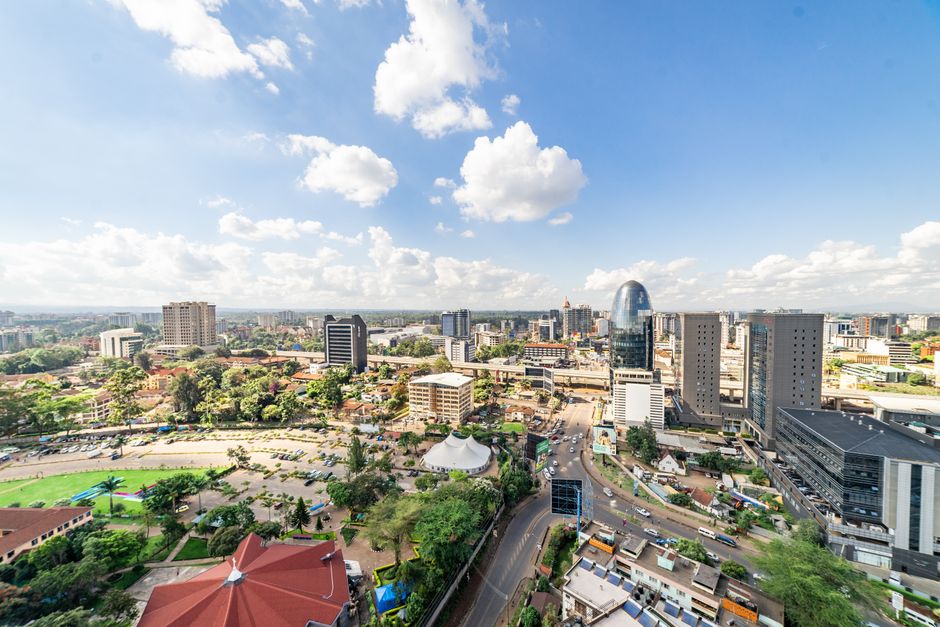
Walk down Ngong Road on a Friday evening and you'll hear it before you see it: the distant thrum of bass lines bleeding from converted warehouses, the murmur of crowds spilling onto pavements, the unmistakable buzz of a city that has claimed live music as its cultural anchor. Over the past five years, Nairobi's music venue landscape has undergone a quiet revolution, transforming neighbourhoods and reshaping how millions of residents and visitors understand what this city actually is.
The numbers tell part of the story. Industry data suggests that live music venues in Nairobi now generate approximately KES 8 billion annually in direct revenue, with secondary spending in food, transport, and hospitality nearly doubling that figure. More significantly, venues have multiplied: where established spots like The Carnivore and Safari Park Hotel once dominated the circuit, today you'll find purpose-built stages in Parklands, artist-run collectives in Eastleigh, and rooftop bars in Kilimani hosting everything from Afrobeats to experimental electronic music.
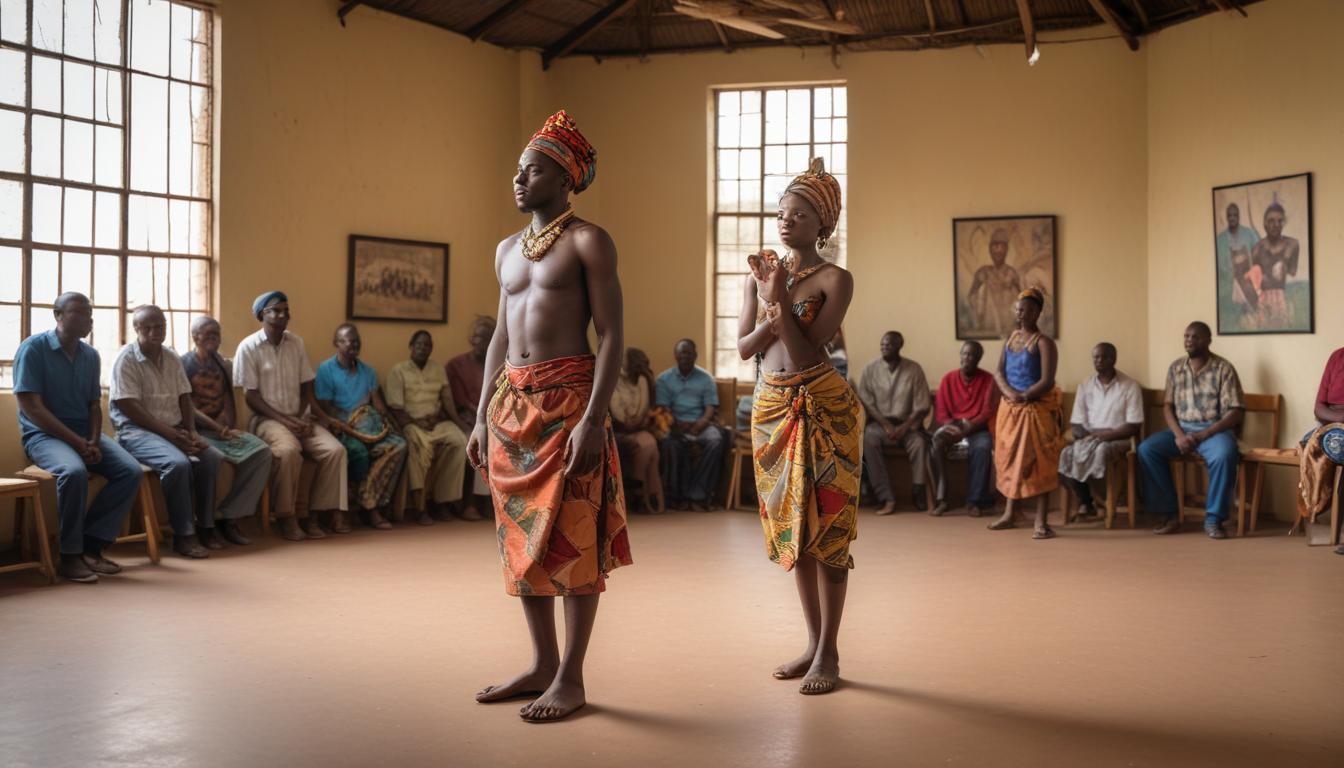
But economics only scratch the surface. What's truly reshaping Nairobi's identity is how these spaces have become incubators for cultural conversation. Venues like The Alchemist in Westlands and Carnation Hotels' live performance series have created platforms where Kenyan artists can test new work, where regional talent circuits—connecting Nairobi to Kampala, Dar es Salaam, and beyond—have become normalized, and where audiences expect to encounter challenging, boundary-pushing performances rather than safe reproductions of international hits.
The infrastructure matters too. Improved sound systems, dedicated booking teams, and venues investing in artist development programs have legitimized live music as a serious creative pursuit rather than a weekend diversion. Young musicians now cite Nairobi's venue network as a reason to stay, to invest, to build careers—a dramatic shift from the brain drain that characterized the industry just a decade ago.
Yet this renaissance carries contradictions worth examining. Rising rents in gentrifying neighbourhoods like Kilimani and Westlands have pricing pressures, forcing some venues to choose between affordability and sustainability. Meanwhile, venues in Nairobi's eastern and southern reaches often operate with minimal support infrastructure, highlighting how the city's creative identity—while increasingly visible globally—remains unevenly distributed across geographic and economic lines.
Nevertheless, the trajectory is clear. Nairobi is no longer a city where culture happens incidentally; it's a city where culture—specifically, live music and performance—defines the conversation about who we are and who we're becoming. The stages are set. The city is listening.
This article was compiled by AI from the sources linked above and screened before publishing. See our editorial standards.