news
Nairobi Metro Rail Expansion: Lessons from Lagos, Cairo
Nairobi's commuter rail revival faces critical Phase Two expansion. Learn how Kenya Railways is avoiding failures that delayed transit projects in Lagos and Cairo while keeping fares affordable.
How we reported this
On a cold July morning at Syokimau station, the 6:40 commuter train to Nairobi Central pulls away with standing room only. Passengers bound for Industrial Area and the CBD clutch phones and packed lunches. Most of them pay Sh60 per trip, a fare frozen since 2018, and most of them will tell you, unprompted, that the train is the best Sh60 they spend all week. The question now, as the Kenya Railways Corporation pushes forward with Phase Two of the Nairobi Commuter Rail revival, is whether the government can scale that experience before the money runs out or the politics shift.
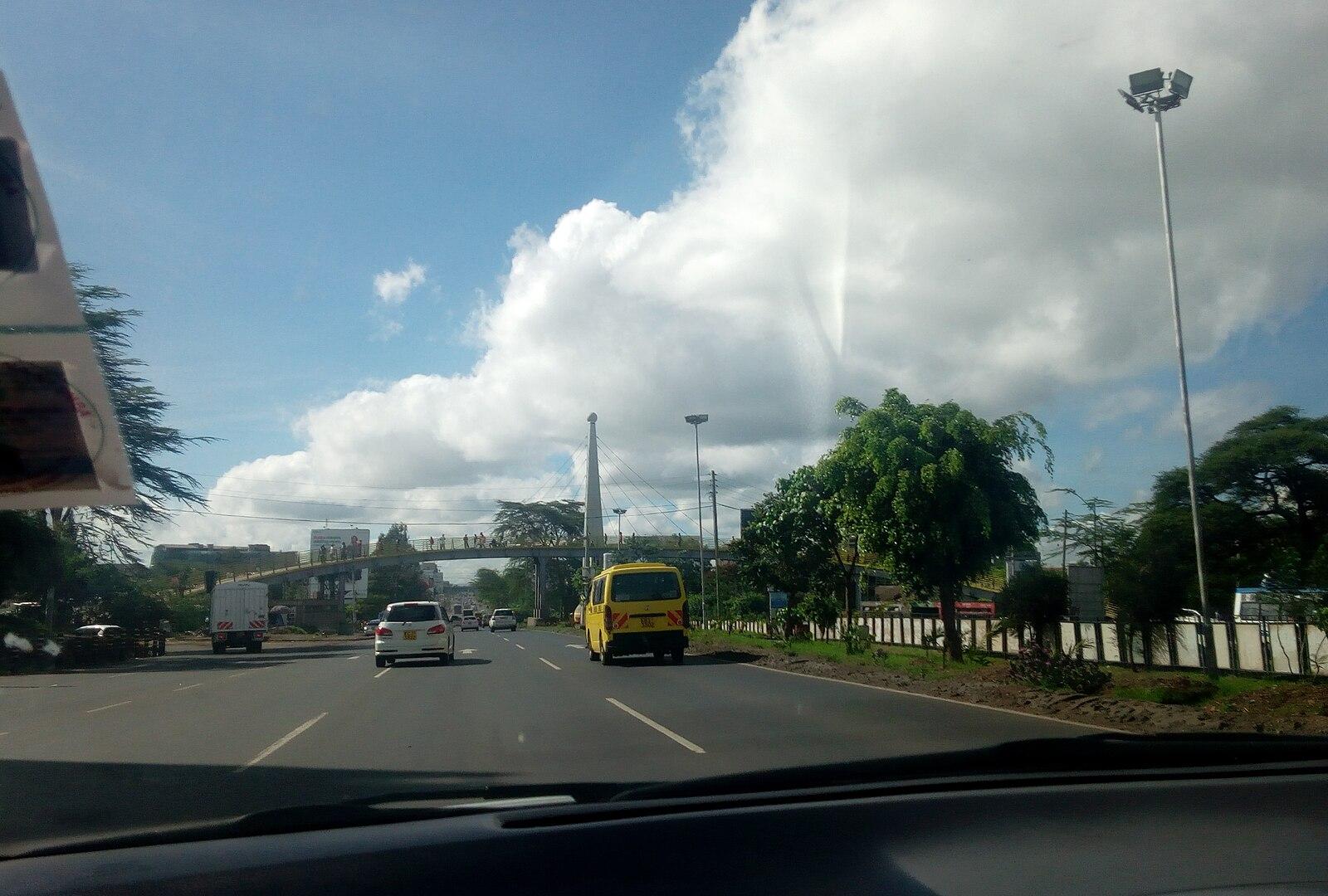
This matters right now because the Ruto administration, squeezed between IMF austerity targets and a Gen Z tax revolt that guttered the Finance Bill last year, is betting heavily on rail as both a fiscal and political win. The National Transport and Safety Authority recorded over 4.2 million daily vehicle trips inside the Nairobi Metropolitan Area in its 2025 mobility survey. The city's road network, designed for roughly a third of that volume, cannot absorb the growth. Rail is no longer aspirational, it is, for planners and riders alike, a structural necessity.
The Lagos Warning, the Cairo Lesson
Nigeria's Lagos Blue Line metro opened in December 2022 after seventeen years of delays and cost overruns that ballooned the original budget from $150 million to over $1.2 billion. When it finally ran, fares were set so high, roughly the equivalent of Sh450 one way, that informal danfo minibuses retained most of their ridership. Integration with feeder routes was an afterthought. Today the Blue Line carries about 40,000 passengers daily against a designed capacity of 250,000.
Cairo's experience cuts the other way. The Egyptian capital's metro, now three lines and 78 stations deep, carries close to 4 million passengers daily and is one of the busiest urban rail systems in Africa and the Middle East. The difference was not just money, Egypt subsidised fares heavily, but land-use planning. Dense, mixed-use development was deliberately concentrated around station catchment areas. Commuters did not need a connecting matatu to reach the platform.
Nairobi's planners say they are studying both cases. The Nairobi Metropolitan Services commuter rail master plan, updated in late 2025, identifies six corridors including the Embakasi East line toward Utawala and a northern spur to Kahawa West. The Kenya Railways Corporation has flagged Ruiru and Kikuyu as anchor stations for park-and-ride facilities, a nod to the Cairo model. Whether the land around those stations gets zoned accordingly is a different, and harder, question.
What Riders Along Mombasa Road Actually Need
Talk to commuters at Makadara station on a Friday afternoon and the concerns are specific. The platform fills fast from Gikomba Market workers and Eastleigh traders. The biggest complaint is not the train itself, it is the last mile. Getting from Makadara to Jogoo Road or Jericho estate means negotiating with a bodaboda or waiting for a matatu on Tom Mboya Street. A 2024 report by Nairobi-based urban research firm Muungano wa Wanavijiji estimated that last-mile transport adds between Sh40 and Sh120 to a typical commuter's daily cost, effectively doubling what the rail subsidy saves.
The Nairobi County government has committed to deploying 15 county bus feeder routes linked to commuter rail stations by December 2026. Three routes, connecting Lang'ata Road, Ngong Road, and Outering Road, are scheduled to pilot in October. If those routes operate on time and at coordinated intervals, the math changes for families in Kawangware and Korogocho who currently spend upward of Sh300 a day getting children to school and adults to work.
The Phase Two funding picture remains tight. The African Development Bank approved a Sh18.7 billion ($144 million) transport sector loan in March 2026, part of which is earmarked for rolling stock and station upgrades. Disbursements are tied to procurement milestones that Kenya Railways must hit by the end of the financial year. Miss them, and the timeline slips, and with it, the political window. Riders at Syokimau know this rhythm. They have seen projects stall before. For now, they board the 6:40 and hope the next platform the government builds is not just a promise drawn on a map.