Nairobi Is Holding the Line on Urban Heat — But Only Just
As brutal temperatures force Fourth of July cancellations from Washington to Philadelphia, Nairobi's own heat management record looks better on paper than it feels on the ground.
As brutal temperatures force Fourth of July cancellations from Washington to Philadelphia, Nairobi's own heat management record looks better on paper than it feels on the ground.
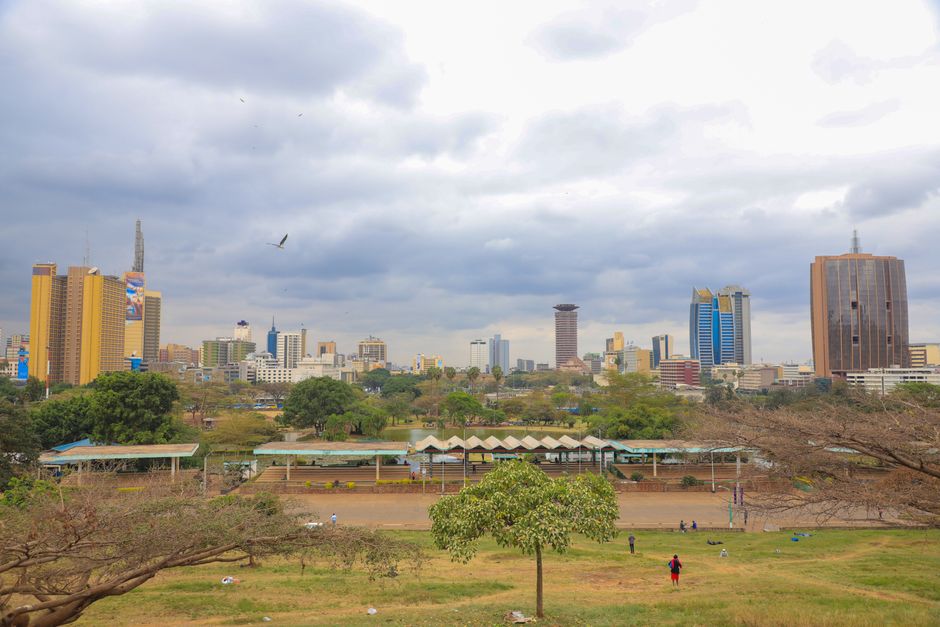
Temperatures in Nairobi hit 32 degrees Celsius on Friday — a number that would barely register as news in Lagos or Karachi, but here, in a city engineered for cool highland weather, it is causing real disruption. Street vendors along Moi Avenue reported slower foot traffic by mid-morning. Several matatu operators on the Ngong Road corridor said they were running half-empty because commuters were sheltering indoors until after noon.
The timing matters. Across the Atlantic, American cities cancelled Fourth of July outdoor events this week under a heat dome that broke records in Philadelphia and Washington D.C. Tehran is processing the death of Supreme Leader Khamenei in temperatures exceeding 40 degrees. Nairobi, sitting at 1,700 metres above sea level, has long used its altitude as a natural buffer — but urban planners and public health officials say that buffer is shrinking, and the city's response is being tested against peers that have invested far more aggressively in heat resilience infrastructure.
The Kenya Meteorological Department issued an advisory on June 30 warning of above-average temperatures through mid-July, linked to a weakening La Niña pattern over the Indian Ocean. City County officials responded by ordering extended hours at the Uhuru Park public grounds and the Karura Forest recreational area — both of which saw unusually large weekend crowds. The Nairobi Metropolitan Services also confirmed that seven water kiosks in Mathare and Korogocho informal settlements were restocked and opened for extended hours at no charge, a small but concrete gesture.
Compare that to what Bogotá deployed during its 2024 heat advisory: a network of 42 designated "cooling centres" with trained attendants and oral rehydration supplies, coordinated through the city's district health system. Nairobi has no equivalent programme. The Pumwani Maternity Hospital and Kenyatta National Hospital have both flagged rising admissions for heat exhaustion in the past two weeks, though official figures have not been released publicly. The Kenya Red Cross Society says its Nairobi chapter handled 140 heat-related welfare calls between June 25 and July 3 — a figure one staff member described as "unusually high for this time of year."
The fiscal backdrop makes improvisation almost inevitable. The Ruto administration, locked into an IMF austerity programme that has already absorbed two years of Gen Z-fuelled protest over taxation and public spending cuts, has little room to announce major new urban resilience expenditure. The Nairobi County budget for the 2025-26 financial year allocated roughly Ksh 2.3 billion to public health services — a figure that health advocates say has not kept pace with the city's population growth, now estimated at 4.9 million by the Kenya National Bureau of Statistics.
There is some structural progress to point to. The Nairobi Commuter Rail expansion, which added the Ruiru and Embakasi Village stations to the network in late 2025, has taken an estimated 18,000 daily commuters off overcrowded buses — reducing their exposure to roadside heat and exhaust. The Silicon Savannah cluster around Westlands and the Two Rivers corridor has also seen several new office developments built to green-rated ventilation standards, though those standards serve a narrow professional class rather than the majority of Nairobians.
For residents in Kibera and Mukuru — where corrugated iron roofing turns homes into ovens by 10 a.m. — the informal settlement upgrading programme run jointly by the UN-Habitat regional office on Gigiri Road and the State Department of Housing remains the most consequential long-term intervention. Phase 2 of the Mukuru Special Planning Area, which includes roofing material upgrades and tree-planting corridors, was supposed to reach 12,000 households by December 2026. Officials confirmed this week that procurement delays have pushed that target to mid-2027.
July is only the beginning of what forecasters say will be a prolonged dry, warm period. Residents in low-income areas should check Kenya Red Cross advisories, seek shade during peak hours between 11 a.m. and 3 p.m., and use the extended Karura Forest and Uhuru Park hours — which run until 7:30 p.m. through the end of the month. Nairobi is not the hottest city facing this problem. It may, however, be among the least prepared for the version of it that is coming.
How does this story make you feel?
Spread the word
About this article
Published by The Daily Nairobi
Daily brief
Free, in your inbox before 7am. Weekdays.
More in News


