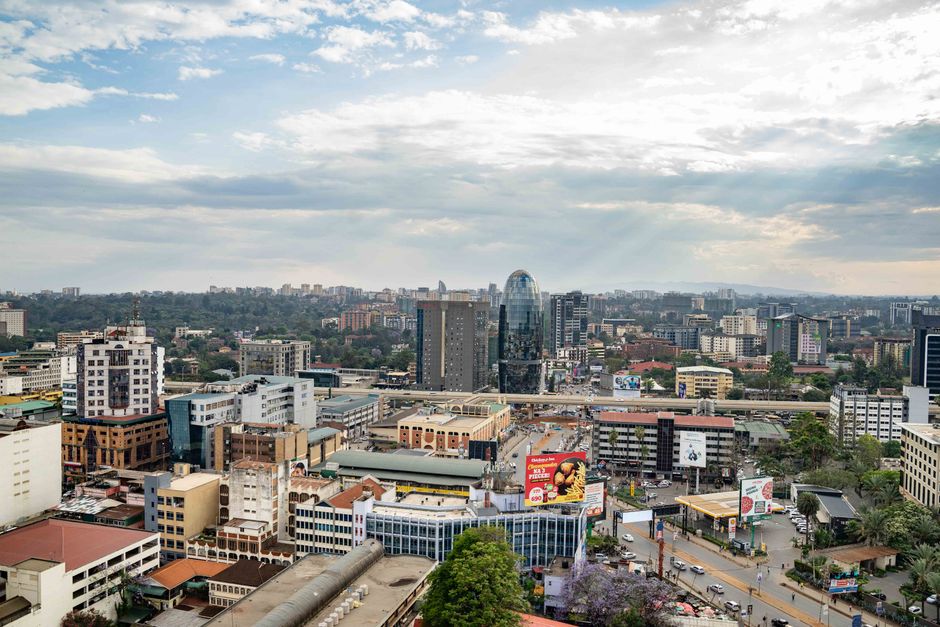
A surge in visitor numbers to Kenya's capital is creating unprecedented demand for skilled workers, forcing hotels and service businesses to compete fiercely for top talent and reshape how they recruit.
As small business ownership surges across the city's informal and formal sectors, traditional employment patterns are fracturing—and reshaping how young Kenyans think about careers.
The rapid expansion of innovation districts along Ngong Road and Westlands is forcing young professionals to rethink career paths, salaries, and work culture across the city.
Rising Middle East tensions and currency volatility are pushing up import costs for restaurants and hotels across the city, forcing operators to rethink pricing and sourcing strategies.
As prime CBD real estate prices soar and remote work persists, companies are decentralising to Westlands, Kilimani and beyond—forcing a fundamental rethink of how Nairobi recruits and retains workers.
As geopolitical tensions reshape trade patterns, understanding currency movements and foreign direct investment becomes crucial for Kenya's entrepreneurs.
Rising operational costs, shifting consumer preferences, and digital disruption are reshaping Nairobi's retail hospitality landscape—here's what entrepreneurs need to know to stay competitive.
As geopolitical risks spike worldwide, Nairobi's innovation district faces funding freezes and talent drain—forcing entrepreneurs to rethink their growth strategies.
From currency swings to supply chain chaos, the world's geopolitical tremors are forcing Nairobi's entrepreneurs to rethink their financial strategies.
A surge of solo entrepreneurs and two-person startups is creating alternative career paths that bypass traditional employment, drawing thousands of skilled workers away from corporate offices.
As multinational firms diversify away from traditional hubs, Kenya's capital is attracting skilled professionals in logistics, tech and finance—transforming recruitment patterns across Westlands and the CBD.
A homegrown developer is transforming underutilised parcels across the CBD and Kilimani into premium office spaces, capturing demand from tech firms and multinationals fleeing congested hubs.
The shift toward remote work and distributed teams is rewriting Nairobi's employment geography, forcing businesses to compete for workers across new geographies while emptying premium real estate in traditional hubs.