Understanding the historical forces that transformed Nairobi into a magnet for migrants and asylum seekers reveals why the city now hosts over 700,000 foreign residents.
Decades of ad-hoc planning, land grabbing, and neglected informal settlements have brought the city to a critical juncture where housing reform cannot be delayed.
The city's ambitious transport overhaul faces growing pains, but early comparisons with Lagos, Mumbai and Jakarta offer both cautionary tales and templates for success.
As global urban centres struggle with public security, neighbourhood watch groups across Nairobi's estates are proving that localised, resident-driven approaches can rival—and sometimes beat—institutional solutions.
As universities worldwide grapple with post-pandemic learning models, Kenya's capital is quietly pioneering hybrid approaches that differ markedly from London, Lagos, and Singapore.
Fresh visa restrictions, deportation fears, and new integration initiatives reshape the lives of thousands of foreign nationals calling the capital home.
As the capital faces mounting pressure from rapid urbanisation and climate volatility, city leaders must choose between incremental reforms and transformative action on waste, water, and transport.
Construction crews mark progress on the Southern Bypass expansion and Green Line commuter rail, bringing relief to commuters grappling with congestion on key routes.
As the city grapples with a spike in vehicle thefts and armed robberies, the National Police Service rolls out enhanced security measures across vulnerable neighbourhoods.
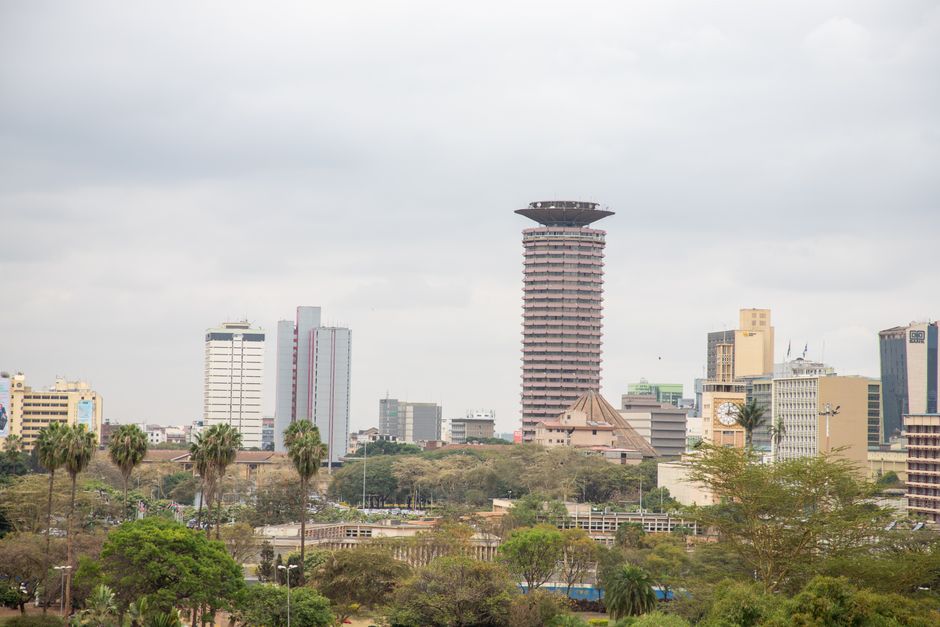
As the city moves ahead with major urban development schemes, longtime residents in Eastlands and Westlands say their voices are being drowned out by developer interests.
Community leaders in Korogocho and Pumwani demand answers from Nairobi County on stalled refuse collection contracts that have left neighbourhoods drowning in garbage for three months.
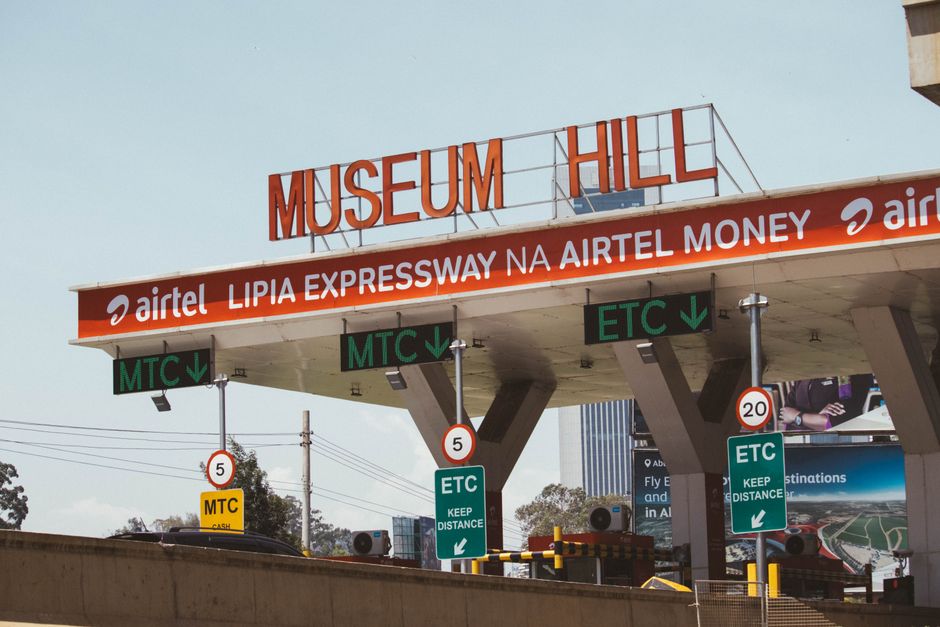
As the city faces competing demands for funding, officials must decide between completing the Nairobi Expressway extensions, reviving the stalled bus rapid transit system, and upgrading informal settlements' road networks.
The Nairobi City County planning committee has greenlit controversial amendments to urban development regulations, reshaping how residential and commercial spaces will be allocated across burgeoning eastern zones.
As flooding and infrastructure failures continue to plague neighbourhoods from Kibera to Mathare, officials outline diverging visions for tackling the capital's housing crisis.
As thousands of migrants pass through or settle in the capital, local residents, businesses and services face both unprecedented opportunity and mounting pressure.