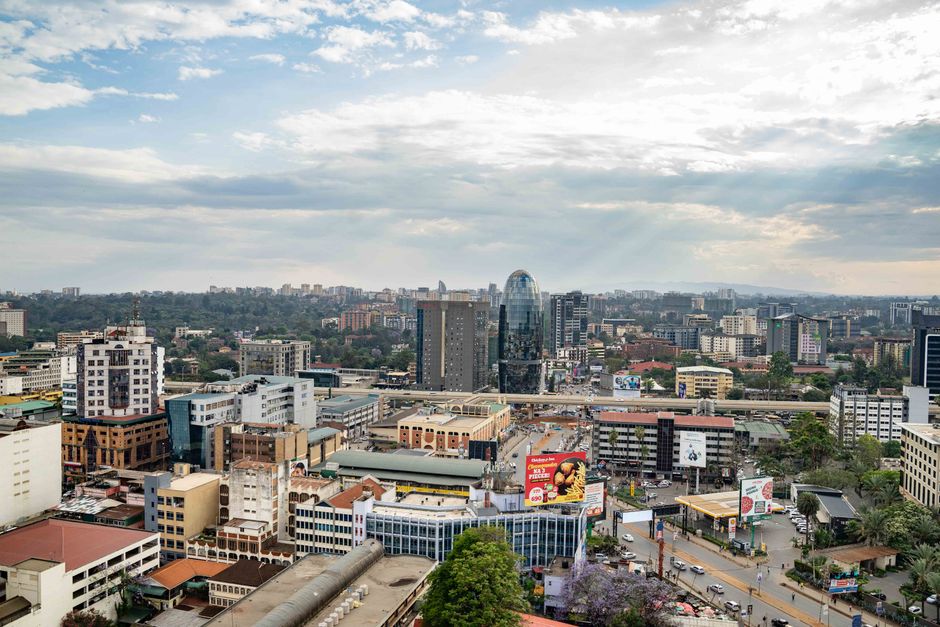
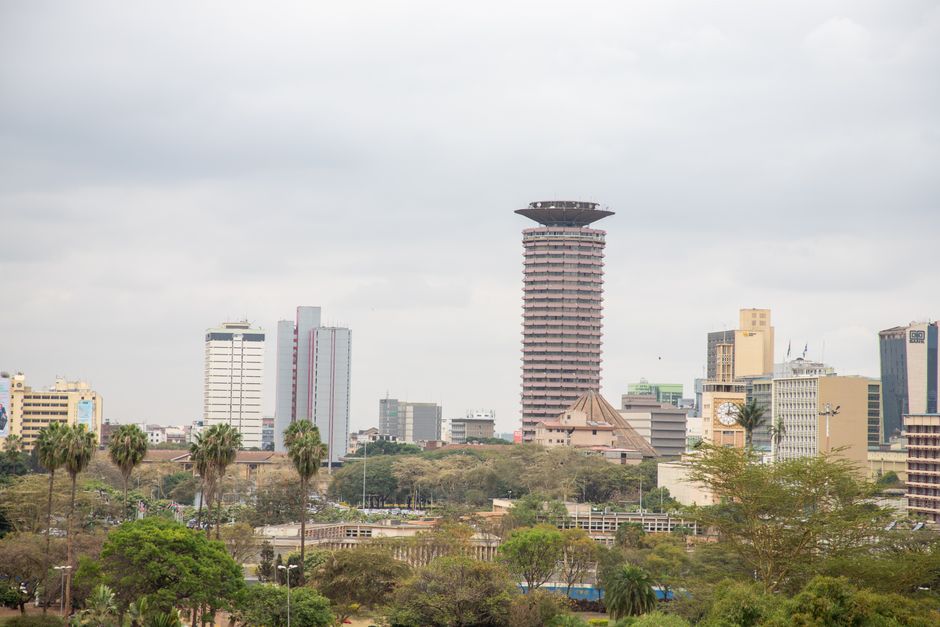
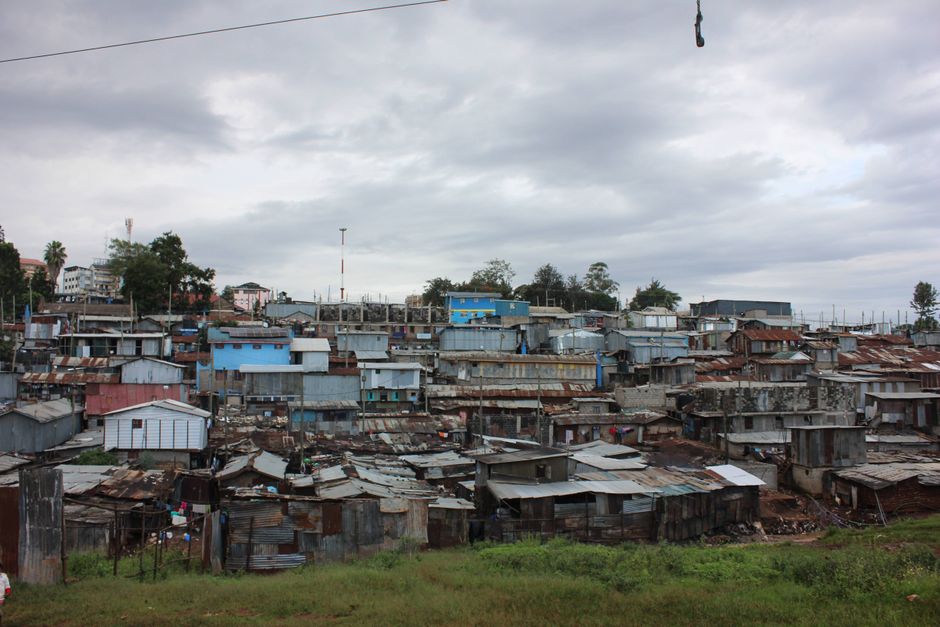
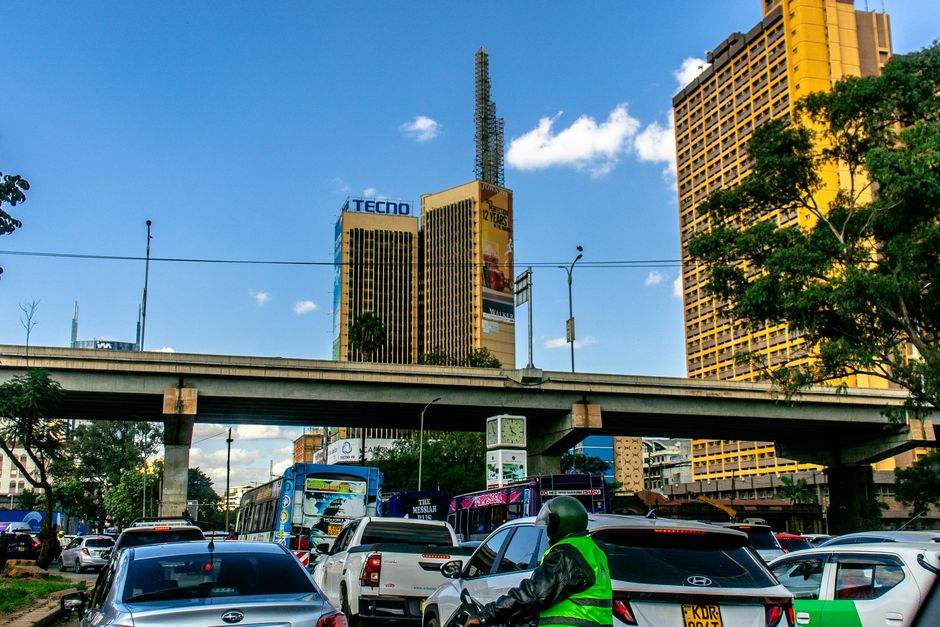
As the Nairobi County government enters the final quarter of 2026, critical choices on transport infrastructure, informal settlement upgrading, and water management will determine whether the city can deliver on promises to its 4.3 million residents.
As major infrastructure projects reshape the city's mobility landscape, the data reveals a staggering investment bill and ambitious timelines that will define the next decade.
As education costs spiral beyond reach for ordinary Nairobi families, community voices reveal how the affordability crisis is reshaping access to learning in one of the city's most densely populated neighbourhoods.
While major cities worldwide tackle infrastructure deficits through bond markets and public-private partnerships, Nairobi's county government struggles with revenue collection and wage arrears.
As security concerns persist across major cities worldwide, Nairobi's community policing initiatives are proving both innovative and instructive for urban centres from Cape Town to São Paulo.
As the city's sustainability initiatives face funding pressure and competing priorities, stakeholders must decide between ambitious projects and pragmatic compromises.
A spike in applications at the Immigration Department's Nyayo House office reveals growing uncertainty among foreign residents adapting to Kenya's updated residency framework.
Proposed zoning reforms in the Nairobi City County plan could reshape affordability across Westlands, Kilimani, and emerging estates—but residents say they weren't consulted.
As environmental initiatives reshape waste management and air quality across the city, residents from Kibera to Westlands are already seeing tangible benefits—and facing tough choices about what comes next.
New census figures show a dramatic reshaping of Nairobi's demographics, with migrant populations and diaspora returnees now comprising nearly one-third of the metropolitan workforce.
Security agencies intensify patrols across the city centre and residential areas following a string of violent incidents this week that have raised fresh concerns among residents and business owners.
Nairobi's mid-year budget review reveals spending patterns, revenue gaps, and infrastructure delays. Only 42% of Sh127B allocated spent by May—here's what the numbers show.
As thousands flee conflict zones worldwide, Nairobi's informal settlements and service sectors face unprecedented pressure—but experts say proper planning could turn newcomers into economic assets.
From colonial rail lines to stalled expressway projects, the capital's infrastructure challenges reflect years of deferred decisions and competing visions for growth.
As Kenya's capital grapples with waste management and air quality challenges, city leaders and environmental specialists outline ambitious plans to transform urban development.
While cities like Lagos and Manila pursue radical zoning reforms, Kenya's capital remains caught between informal settlements and speculative development.