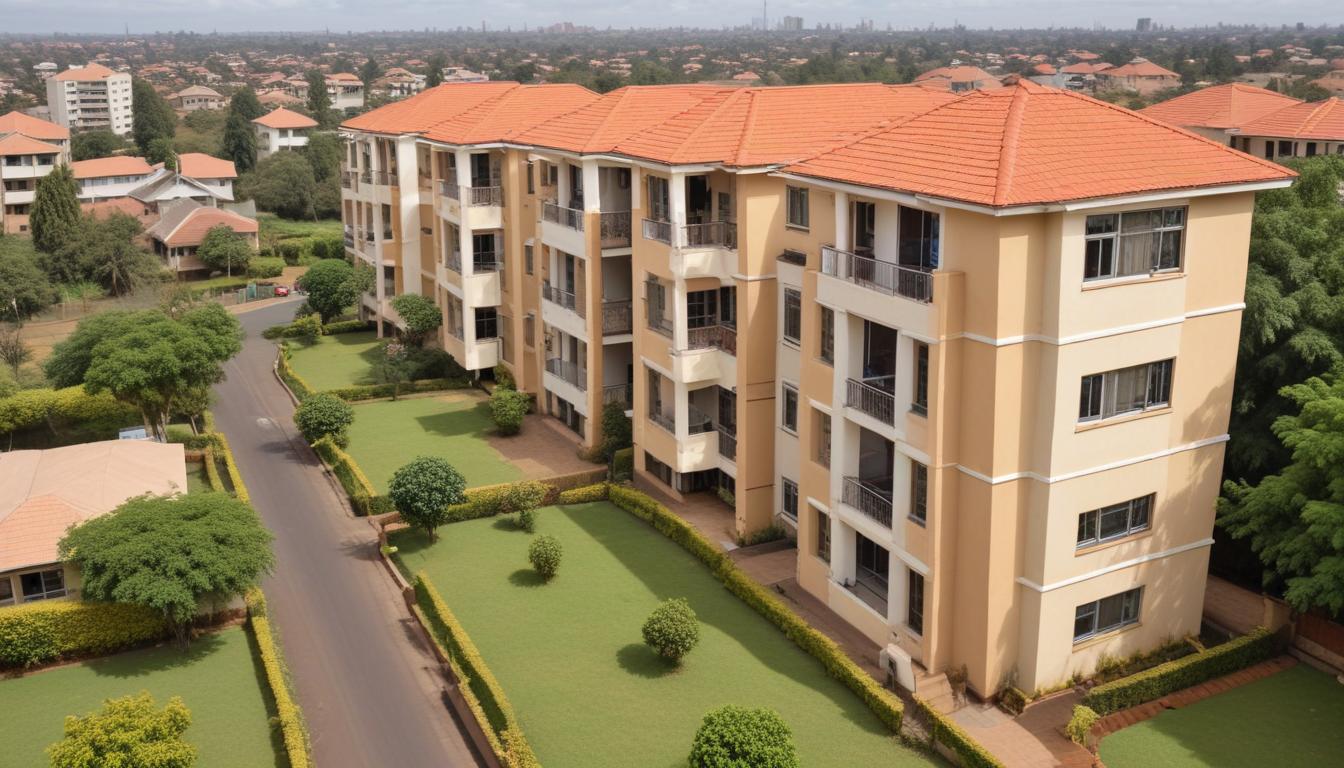
Nairobi's volatile rental landscape is reshaping financing options for aspiring homeowners, with landlords tightening margins and tenants struggling to save for down payments.
As capital appreciation slows in premium zones, emerging corridors and mid-market suburbs are delivering the yields that savvy investors are chasing—here's what the data reveals.
Empty units are climbing faster than landlord expectations—and market clearance data reveals a decisive shift in renter leverage across the city's premium zones.
A surge in approved residential projects across growth corridors is reshaping the capital's market dynamics, but affordability pressures and infrastructure gaps remain critical questions for investors.
Supply constraints and rising construction costs are reshaping the entry-level market, but grant schemes and flexible financing options are making homeownership achievable for strategic buyers.
Revised zoning policies and expedited permitting in select zones are reshaping where—and how fast—new residential and commercial projects rise across the capital.
As premium property values climb across Westlands and Lavington, analysis of rental yields and capital appreciation reveals a market where patience—and location—pays off.
New residential projects across key corridors are fragmenting vacancy patterns, forcing renters and landlords alike to recalibrate expectations in pockets where supply and demand no longer align.
As Nairobi landlords tighten terms and tenants face mounting pressure, aspiring homeowners struggle to save deposits while competing for increasingly scarce affordable stock.
As premium neighbourhoods stall, savvy investors are turning to Kilimani's tree-lined avenues and moderate price points—where a quality home still costs less than a Westlands parking space.
As premium neighbourhoods command KES 15M+ asking prices, a eastern corridor suburb is rewriting the maths on middle-income housing—and catching institutional attention.